
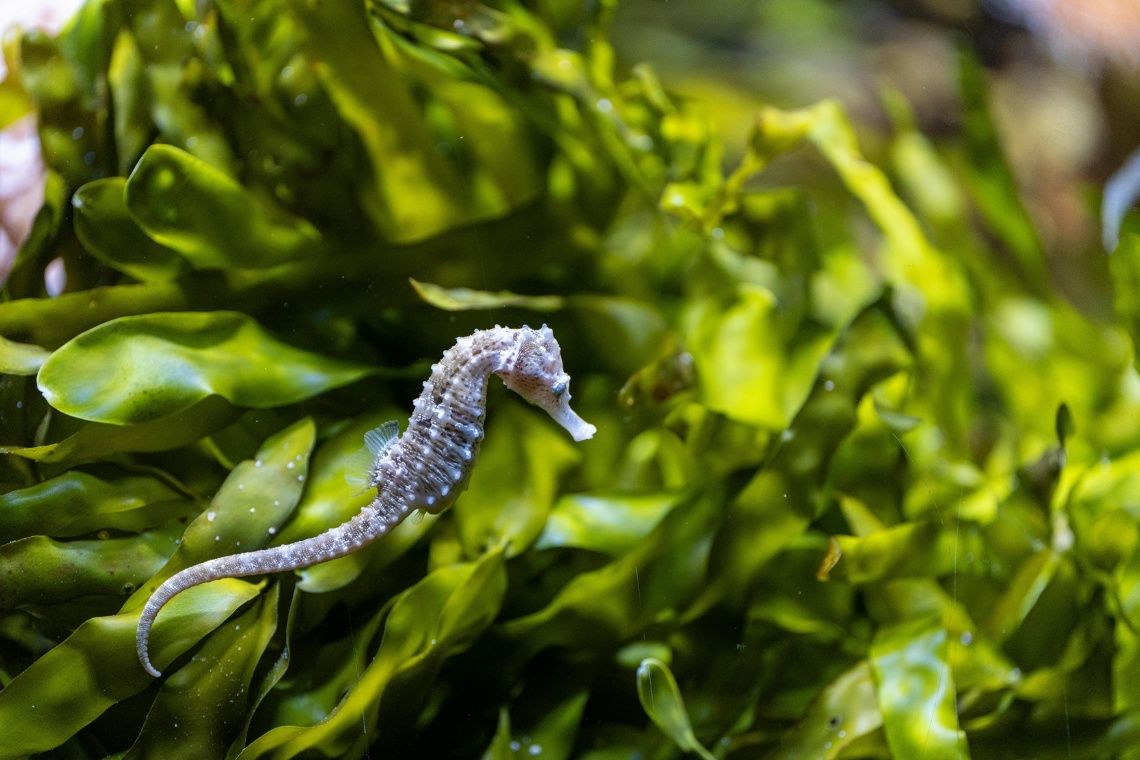
The pioneering French oceanographer and environmentalist Jacques Cousteau said, "The ocean is this great unifier. For man, it is the one great hope." After thousands of hours deep-sea diving, he also noted that our water - an essential fluid on which all life depends - “has become a garbage can.” Without proper conservation, it may be our great undoing, and today the menacing sea-monster trope from myth and fiction is largely just our own sewage.
National Environment Month in South Africa continues throughout June with its emphasis on reducing our foodprints; the ecological impacts of our eating habits and food system. World Oceans Day is celebrated on the 8th of June to raise awareness about the crucial role oceans play in our lives, our climate, the air we breathe, and global food security - while mobilising action to protect marine environments. This year’s theme of “Reimagine” invites us to transform our perception of the ocean to seeing it as a pillar that makes our existence possible, rather than an inexhaustible resource for extraction and a bottomless abyss for infinite waste disposal. At a moment where ocean ecosystems are approaching critical thresholds, the choices we make during this generation will determine its future and the benefits that it can keep providing.
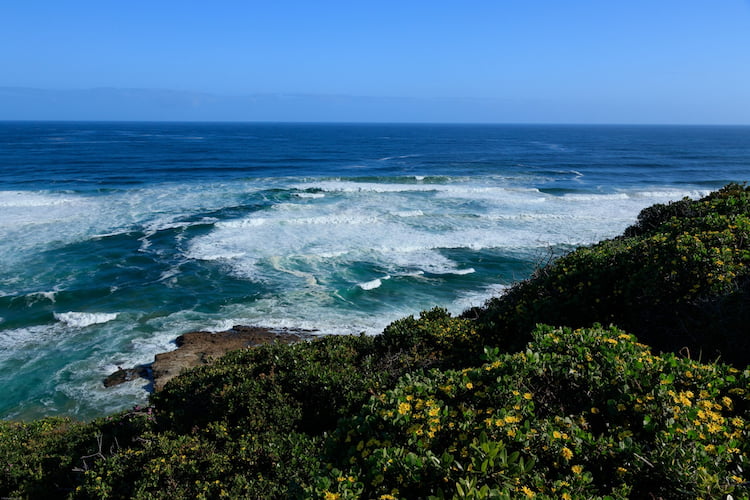
This year's Oceans Day observance coincides with the launch of the landmark UN World Ocean Assessment, an extensive 1,600-page report compiled by over 550 global experts as a result of more than five years of work, detailing the mounting pressures on our seas and the action needed to safeguard them. Life on Earth began in the ocean roughly 4 billion years ago. Today, the ocean covers over 70 percent of the planet and is home to most of Earth’s biodiversity and 99 percent of living space by volume. Producing at least 50 percent of our oxygen, it supports every organism on earth. Essential for the stability of Earth’s climate and weather patterns, oceans filter and process environmental wastes and sequester massive amounts of carbon dioxide, capturing over 90 percent of the excess heat generated by these emissions while regulating chemical balances and sustaining marine life. If the Earth were a living body, the ocean would be its circulatory system, rapidly leading to severe organ damage when troubles are left unaddressed.
Oceans serve as the world’s largest source of protein, feeding more than 3 billion people. Directly and indirectly, marine fisheries employ over 200 million people with oceanic industries at an estimated market value of USD 3 trillion per year, or about 5 percent of global gross domestic product. South Africa's ocean economy employs over 500,000 people, accounting for about 3 percent of total national employment. Along the 3,000-kilometer coastline, there are roughly 147 registered fishing communities representing around 28,300 fisher households that depend on the ocean primarily for household food security and basic income. It is unsurprising that small-scale fishers of the West Coast, along with environmental organisations, have recently taken the government to court over its decision to grant authorisation for a seismic survey in search of oil. Nevertheless, South Africans are consuming more seafood than ever before, and almost 80 percent of line fish species are considered overexploited, but with this depletion has come a growing consumer demand for sustainability. With 90 percent of large fish populations depleted in the world, and 50 percent of coral reefs destroyed, we are presently taking more from the ocean than can be replenished.
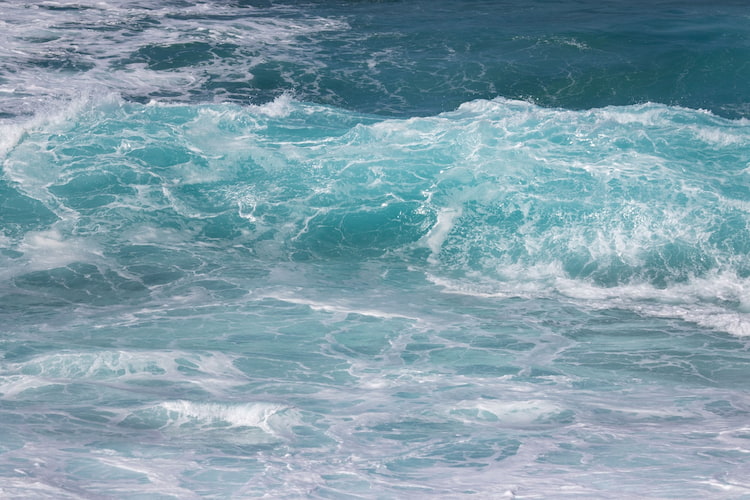
South Africa is uniquely positioned at the collision point of two fundamentally different global ocean currents: the warm, fast-moving Agulhas current from the Indian Ocean and the cold, nutrient-rich Benguela current from the Atlantic. Near the southern tip of the continent, the warm Indian Ocean water leaks (retroflects) into the Atlantic through large rotating eddies - massive whirlpools known as Agulhas Rings. This process carries up to 70 million cubic meters of warm water per second down the southeast coast, playing a surprisingly important role in helping regulate global ocean circulation and influencing climate patterns far beyond Africa. Slowly heading north-westwards, these eddies cross the South Atlantic Ocean and eventually feed into the Gulf Stream, which flows along the east coast of North America, modulating climate conditions all the way up to Western Europe. The Agulhas Plain, stretching from Gansbaai to Cape Agulhas, is a world-renowned biodiversity hotspot. Forming the core of the Cape Floristic Region, it contains over 1,700 indigenous plant species and is one of the world's most concentrated regions for vulnerable and endemic flora. Far into history, the now-submerged Paleo-Agulhas Plain - a massive, fertile coastal shelf the size of Ireland - acted as a vital refuge for early human populations during ice ages. The Blombos Cave, an archaeological site near Still Bay that once overlooked this plain, is famous for yielding the oldest known drawings by humans and a 100,000-year-old artist’s toolkit. This ancient ecosystem featured sprawling wetlands, rivers, and limestone fynbos that supported diverse megafauna. For early Homo sapiens, it was a Garden of Eden: the lush plain served as an incredibly rich foraging habitat and hunting ground. Their coastal diet of fish and shellfish rich in omega-3 fatty acids and iodine is theorised to have fueled multi-generational brain growth and the rise of human cognition.
Today, as a regional climate engine the warm waters of the Agulhas current provide the moisture and latent heat necessary for onshore wind systems to carry rainfall into the South African interior. It sets the backdrop for local ecosystems, promoting high levels of phytoplankton - the “feed-grass” of the ocean, which sustains the aquatic food web. As an ecological hotspot, it has high levels of marine endemism and is one of the world's most productive fisheries, with its famous annual Sardine Run. With radically different ecosystems and climates in unprecedentedly close proximity, the south coast is a uniquely biodiverse and species-rich environment.
Seaweed isn’t just for wrapping around sushi. Underwater kelp forests hug about a third of global coastlines. The Great African Seaforest is a massive, 1,000-kilometer-long expanse of giant bamboo kelp stretching from Cape Town to Namibia. This towering underwater ecosystem rivals tropical rainforests in biodiversity, harboring hundreds of species found nowhere else on earth. Underpinning the existence of all this life is its tall steeples that create a living architecture - with dense canopies at the sea surface and roots that sculpt the seafloor, like forests on land. Each layer supports its own community of organisms. Shaping the wider ocean health, kelp sustains coastal fisheries, cycles nutrients, and buffers coastlines from storms as sea levels rise and extreme weather intensifies. As one of the planet’s most efficient carbon absorbers, kelp forests already function as biological climate infrastructure.
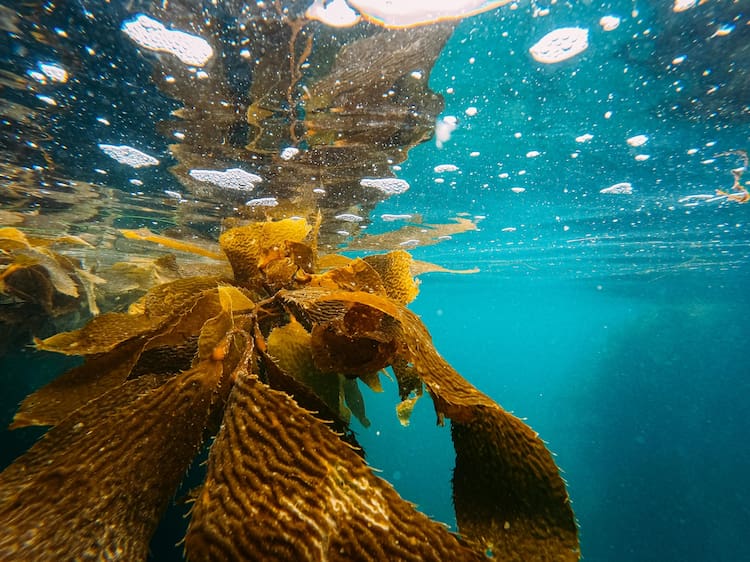
Kelp forests are the fabric that weaves the ocean together, exerting an outsized influence in keeping the ecosystem stable. Yet roughly half of it has degraded over the last 50 years as marine heatwaves push waters beyond kelp’s thermal limits, pollution and coastal development degrade shoreline ecosystems, overharvesting rips forests from the seafloor, and overfishing disrupts the relationships of aquatic life. These ecological shocks ultimately ripple ashore, affecting local businesses and livelihoods. The United Nations calls biodiversity our strongest natural defense against climate change - yet ocean life remains under-emphasised in climate strategy and policy even as it declines, while helping maintain terrestrial ecosystems. Unlike coral reefs, no global laws that focus on kelp forests, and only 16 percent are in some form of protected area. The Great African Seaforest, however, has as yet endured with relative stability. Though far from pristine and facing growing threats, it has largely escaped overharvesting, with marine protected areas preserving biodiversity hotspots even as some saltwater species have been overexploited.
Current events have introduced novel travails to marine life conservation and ocean-based efforts to curb climate change. The Trump administration’s plan to dismantle an ocean observation system vital to understanding the climate crisis and marine ecosystems is predicted to severely degrade the accuracy of weather predictions and El Niño forecasts, increasing errors in the annual estimates of ocean heating rates.
New artificial intelligence technologies have improved our ability to study complex oceanic species such as whales, but contradictorily, the same systems that enable these discoveries are also contributing to the environmental crisis that's threatening their survival - due to the extraordinary energy demands for computing power, water-intensive cooling systems, and the use of hardware that depends on destructive mining practices for rare earth elements. A report compiled by the United Nations University Institute for Water, Environment and Health quantifies the carbon, water, and land footprints of AI’s electricity use across the globe. It estimates that global data centers consumed some 448 terawatt-hours of electricity in 2025, with AI accounting for a fifth of the total. This amount of electricity would also be enough to supply the annual residential electricity needs of the 1.3 billion people living in Sub-Saharan Africa for 2.6 years. The enormous carbon footprint amounts to 189 million tonnes of carbon dioxide, which would only be offset by 3.2 billion trees over a decade. Last year, data centers consumed enough water to fill 1.8 million Olympic-sized pools, which would be enough to cover the annual basic domestic water needs of over 600 million people in Sub-Saharan Africa. Largely driven by AI, global data center electricity consumption is expected to more than double by 2030, which is equivalent to the current annual electricity consumption of Japan. The report also estimates e-waste from AI hardware will reach 2.5 million metric tons by the end of the decade, which is comparable to discarding 250 Eiffel Towers every year.
A new risk assessment has linked the increase in risk of ships striking whales to the maritime traffic around the South African coast, particularly as many cargo companies have rerouted their vessels around the Cape of Good Hope due to the blockade of the Strait of Hormuz. With greater shipping traffic and spatial overlap comes a growing collision threat to marine species inhabiting the region. And yet, the most underfunded climate opportunities may still be at sea. Less than 1.5 percent of global philanthropic giving goes to climate mitigation, and only about 0.25 percent goes to ocean issues. The ocean is central to climate change mitigation through offshore wind farms, clean shipping alternatives, blue carbon, and building out coastal resilience for extreme weather events and rising water levels. However, there is still a crucial mismatch between the ocean’s importance to the world’s climate and the tiny share of funding directed to relevant environmental work.
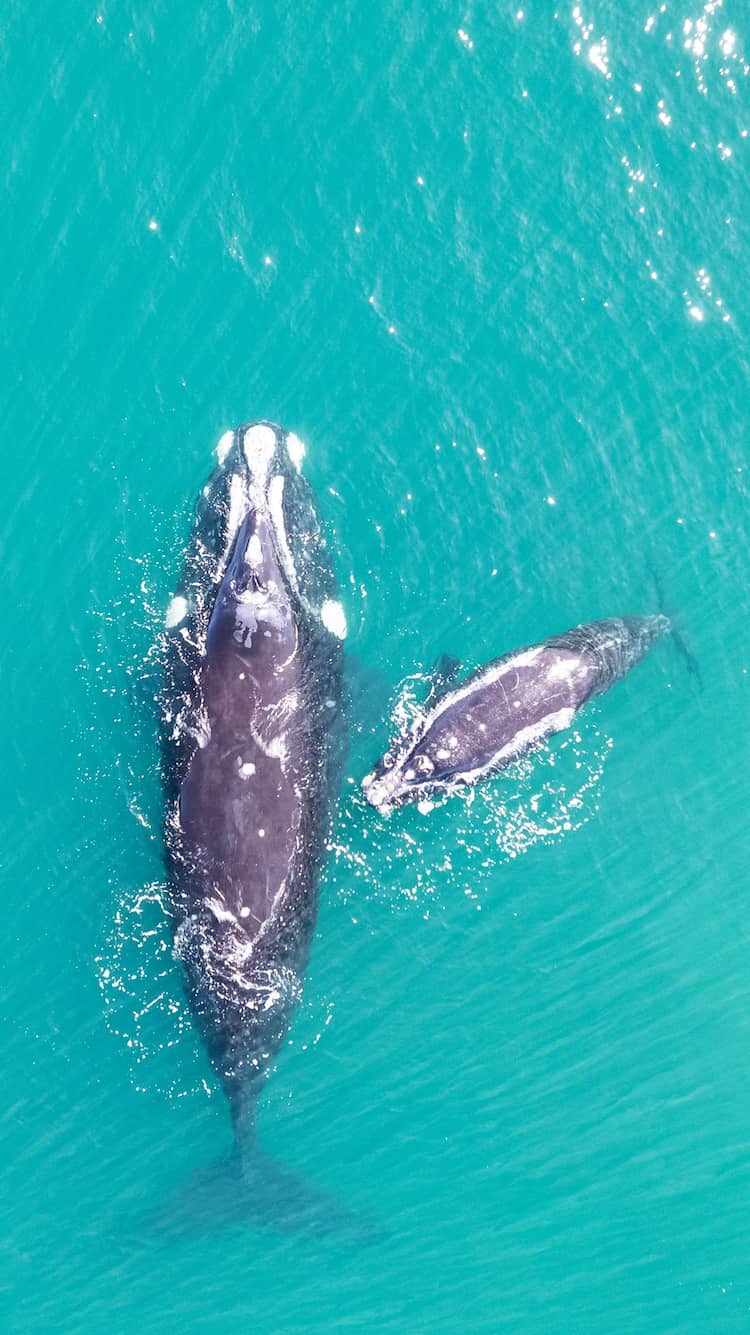
The boundary between land and sea is more of a transition zone than a dividing line, and the health of terrestrial ecosystems is deeply interconnected with the health of the ocean. When marine ecosystems decline, the effects propagate inland through coastal microclimates and broader climate consequences, water cycles, biodiversity issues, and nutrient flows. Conversely, pollution and habitat destruction on land can flow downstream and damage marine ecosystems. Together, they form one connected living system. Microscopic marine plants, like phytoplankton, produce roughly 50 to 85 percent of the oxygen. The ocean acts like a massive global thermostat, absorbing solar radiation and distributing heat via ocean currents, preventing extreme temperature fluctuations on land and driving wind patterns. Evaporation from the sea surface forms clouds, which are moved by wind over land. This releases freshwater as rain or snow, sustaining terrestrial forests, grasslands, and freshwater lakes. Marine ecosystems subsidise fertility in land environments through biotic transfer, such as seabirds, marine mammals, and migrating fish transferring marine nutrients - such as nitrogen and phosphorus - to land ecosystems via waste and decomposition. Coastal marine ecosystems also protect terrestrial habitats from storm surges, erosion, and saltwater intrusion.
South Africa is uniquely positioned at the meeting point of two oceans. The system supports nutrient exchanges that influence coastal landscapes, while ocean-driven weather patterns help sustain terrestrial ecosystems such as the Cape Floral Region. Our Mediterranean climate supports the Fynbos ecosystem, and cold offshore currents create reliable winter rainfall while ocean-moderated temperatures prevent frost. Coastal winds and salt spray influence specific, low-growing coastal Fynbos varieties, and sea breezes provide essential atmospheric humidity during hot, dry summers. Coastal fog rolling in from the ocean provides a critical secondary source of moisture during the rainless summer months, preventing widespread desiccation for resilient, small-leaved Fynbos species. Our strong oceanic winds continuously prune coastal Fynbos, keeping the vegetation compact while dispersing seeds across the dune systems. These conditions are ideal for fynbos, which evolved to thrive in nutrient-poor soils. In a sense, the fynbos is a terrestrial expression of the Cape's unique meeting point between land, climate, and sea. Without the ocean currents that shape the Cape's weather, the remarkable fynbos landscapes of the Western Cape would likely never have evolved. However, present ocean warming linked to climate change could alter rainfall patterns, fire regimes, and species distributions, posing a major inbound threat to fynbos biodiversity.
Says Gill Simpson, executive director of the Wild Rescue nature reserve on the Cape south coast, “When it comes to the continuum of conservation, the land and the sea are in the same boat. As we focus on our terrestrial fauna and flora, and our richly biodiverse fynbos floral kingdom here in the Western Cape, we shouldn’t forget our dependency on the water cycle and coastal ecosystems. Biodiversity is the immune system of the planet, and the web of relationships between ocean and land allows ecosystems to absorb shocks and adapt to change. Harmful practices on land, such as chemical pollution, toxic waste, and plastics, tend to wind up in the ocean, and we cannot expect this to be forever washed away, hidden beneath the waves; sooner or later, the negative consequences of our industries and agriculture come ashore. We still have time to change the future by changing the present, and thinking about ocean health reminds us that nature-based solutions are central to global climate strategies."
This is part two of a four-part opinion series for South African National Environment Month, identifying the scope of our ecological challenges, their connections with nature conservation, and offering solutions.
About Wild Rescue:
Wild Rescue is a registered NPC / NPO and a proclaimed nature reserve located between Still Bay and Riversdale in the Western Cape, South Africa. Committed to providing the highest standard of care and support for wildlife and the environment, their purpose is to rescue, rehabilitate, and provide sanctuary for indigenous and endangered fauna, and preserve the flora occurring within the reserve. Their work is founded on passion, hope, and a deep sense of responsibility towards the natural world, teaching the importance and value of wildlife, the environment, and safeguarding biodiversity.
Social Media:
Facebook: https://www.facebook.com/WildRescueWC

