
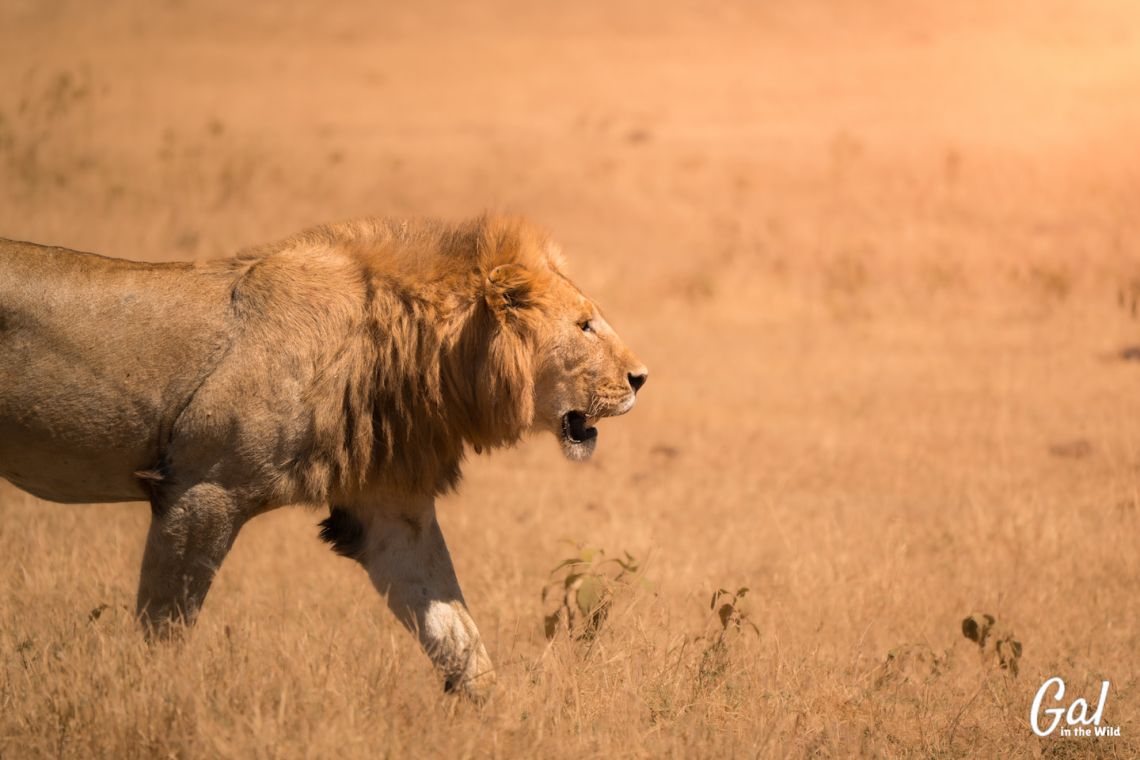
We live in a world where capturing and sharing photos is easier than ever—everyone has a camera and social media in their pocket. So, what separates a dedicated wildlife photographer from a person with a smartphone on safari?
Most people would say it comes down to gear and technical photography skills, and they would be right. Smartphones still can't match the versatility of high-end cameras and lenses, and there is no replacement for the techniques and technical skills of experienced photographers. However, to be truly impactful wildlife photographers, we must acquire an additional, entirely separate set of skills—one that goes beyond shutter speeds and f-stops and starts way before the camera comes up to the eye.
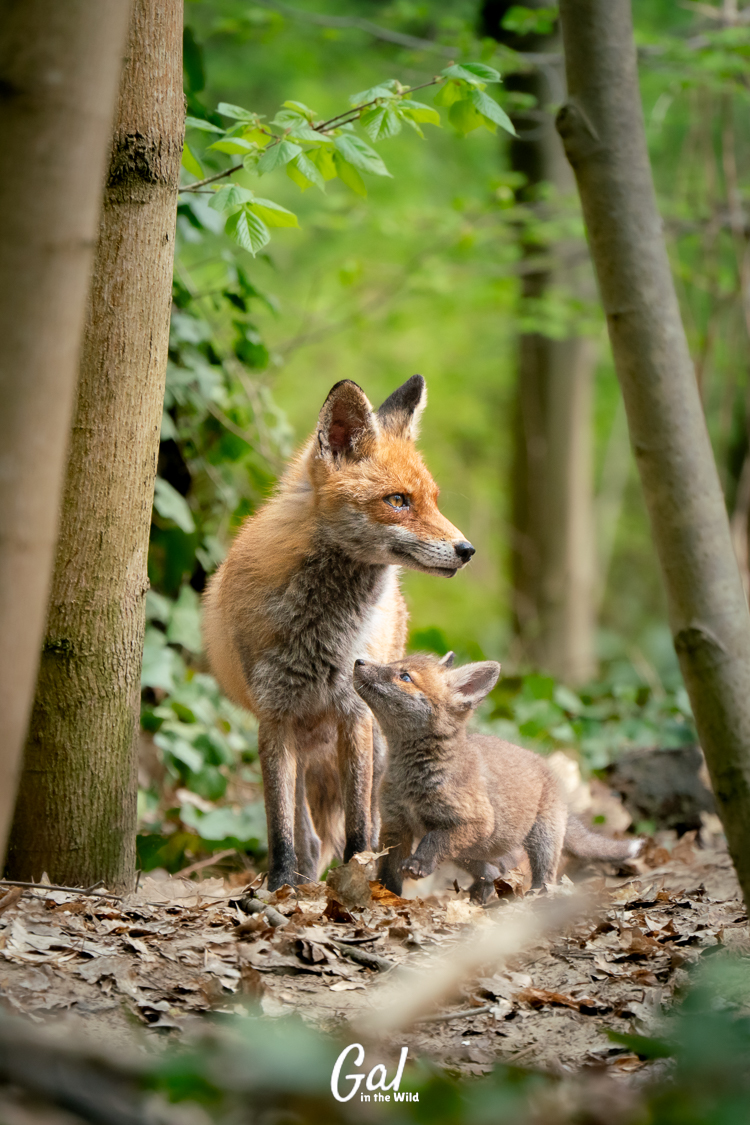
As a marine biologist and wildlife photographer, I've witnessed how subtle changes in behavior can dramatically affect animals, and the photos we capture of them. Much of wildlife photography is about being in the right place at the right time, with the right attitude. So how do we get there?
The Guiding Principle: The "Fly on the Wall"
One of my leading principles in wildlife photography is the "fly on the wall" concept—causing as little disturbance as possible. First and foremost, wildlife should not be disturbed in its natural habitat. There are already so many factors that harm animals nowadays—unnatural lighting, excessive sounds, human activities, not to mention big factors like climate change, habitat loss, and illegal poaching; our photography should not become another layer of pressure. Ultimately, no photo is worth causing unnecessary stress to wildlife.
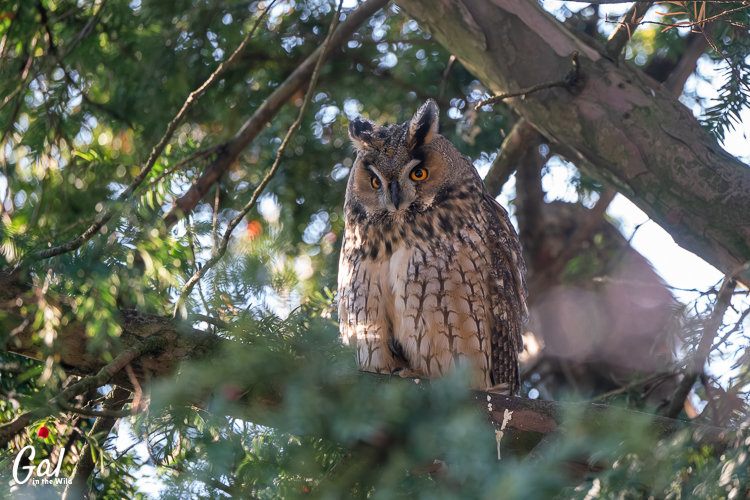
Secondly, the quality of our shot will almost always be better if the animal is undisturbed and behaves as naturally as possible. This is where our own behavior becomes critical. There are subtle adjustments we can do that can drastically affect how the animal reacts to us, like not pointing our body directly towards it, looking slightly away, staying calm, and making no sudden movements. Every animal behaves and reacts differently, so I recommend learning the specific ethology of your subjects beforehand. As a rule of thumb, if we notice a change in behavior, we might be too close.
Portraits vs. Behavior Shots
Wildlife photography can be roughly divided into two types: portrait and behavior. Portraits are aesthetic photos that showcase the animal, often motionless and alone in the frame, sometimes even looking directly into the lens. Behavior photos are shots that exhibit natural behavior of the animal, whether by itself or interacting with other organisms, often not noticing or completely ignoring the photographer.
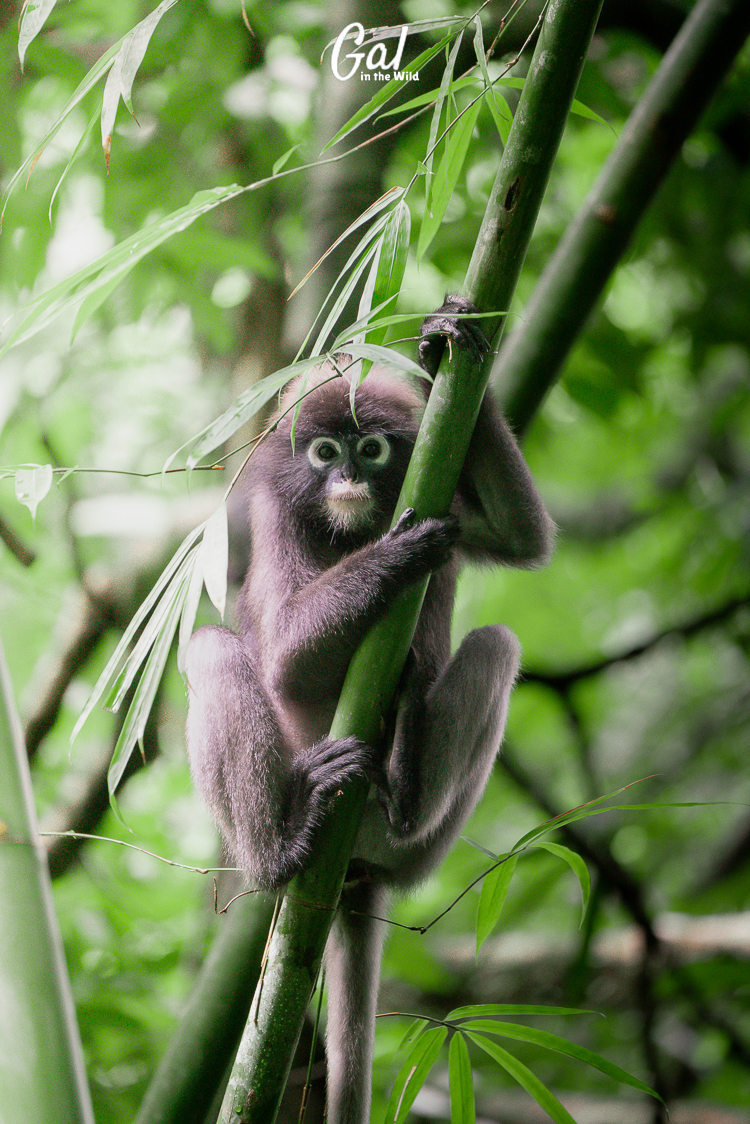
I admire portraits; they can sometimes be stunning. However, personally, I value behavior photography more because it plays a bigger role in conservation and visual storytelling. In these types of shots, we are offered a rare glimpse into the lives and stories of these animals—we get to learn a bit more about who they are, rather than only what they are.
However, this added value comes at a cost—it usually takes more effort, time, and fieldcraft to take a good behavior shot than a good portrait. While taking portraits is an art form in itself, behavior photography requires a separate skillset shared with hunters, minus the violence. Following the "fly on the wall" concept, we strive to track down the animal and get it in our line of sight without it noticing us. The difference is simple: we hold a camera, not a shotgun.
Knowledge is Power
Before a photo session, we must do research or make observations that help us answer four main questions: What, Where, When, and How.
- Geography (The What and Where): "I want to photograph these subjects, where can I find them?" or "I am here now, what can I find in the area around me?" Answering these helps determine gear requirements.
- Timing (The When): Wild animals don't just sit around all day. We must ask: "In which season, and at which time of day, would I have the best chances for the encounter?"
- Methodology (The How): This is the trickiest part. It requires reading clues that indicate the animal is around, understanding its body language, and knowing what to do (and not do) if we spot it.
In my experience, the pro-tips that really boost our chances are best acquired from local photographers and guides. I recommend searching for them on social media and maybe even booking a guided photo tour. Personally, this has proven invaluable many times. Great tips from locals helped me maximize my photography while simultaneously minimizing disturbance to the animals.
The Lead Up to the Encounter: Patience and Preparation
Based on our research, we should know what to expect, and thus, we should set our cameras accordingly immediately. I also recommend arriving early to take practice shots and fine-tune settings for the specific lighting conditions. Once there, it's important to be patient, roam the environment, and actively pay attention to details.
To take our skills to the next level, we must put our knowledge to practical use. We can listen for clues, spot the animal from a distance, anticipate its movement, and let it come to us. The more time we spend with a subject, the better we become at reading its body language.
When the encounter happens, it is vital to remain calm. Adrenaline might be high, but we must not scare the subject. If possible, use a silent shutter and keep both eyes open to recognize potential movement from other subjects. Afterward, take a mental or physical note of the encounter's details; after a few successes, you might start to see a pattern.
Common Mistakes and Ethical Tips
The biggest mistake is chasing the animal. If the animal has had enough and starts to turn away, it is imperative that we do not chase it. Repeated disturbances can alter feeding routes, nesting behaviour, or tolerance to humans... impacts that last far longer than the encounter itself. Chasing only causes stress and rarely results in a good photo. Instead, anticipate its direction, stay still, and let it come to you.
The second mistake is getting too close. Driven by social media pressure, some photographers prioritize "the shot" over the animal's welfare. We must always remember that they are the locals and we are the visitors. Their needs must be valued more than our desire for a photo. The animals should be in control of the encounter—the proximity and duration should be entirely up to them.
What Ethical Photography Gives Back
Ethical behavior has positive effects on both the photographer and the subject. By minimizing disturbance, we increase our chances for repeated, authentic encounters. This increases our chances of capturing true stories and bolsters long-term conservation efforts. Ultimately, animals that feel safe allow us to get closer, stay longer, and witness their true selves.
Ethical wildlife photography is not only about better images; it’s about contributing to a culture where wildlife is appreciated as living participants in their ecosystems, not just props in our portfolios. When we prioritize their welfare, we don’t just capture better moments; we help protect the conditions that make those moments possible.
Behind the Lens
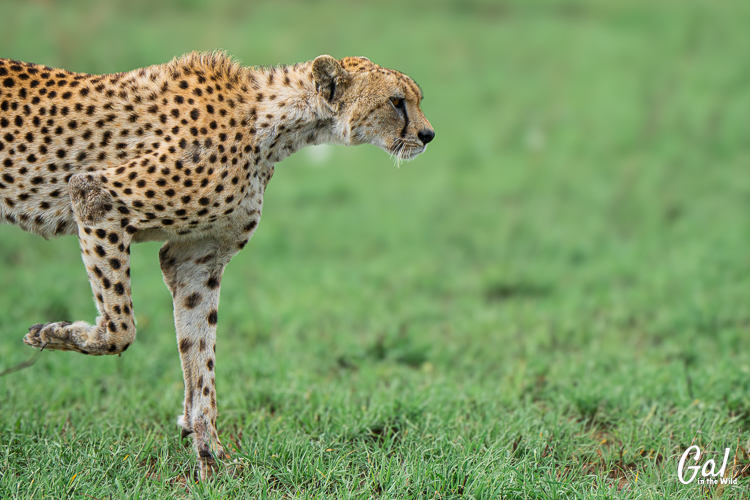
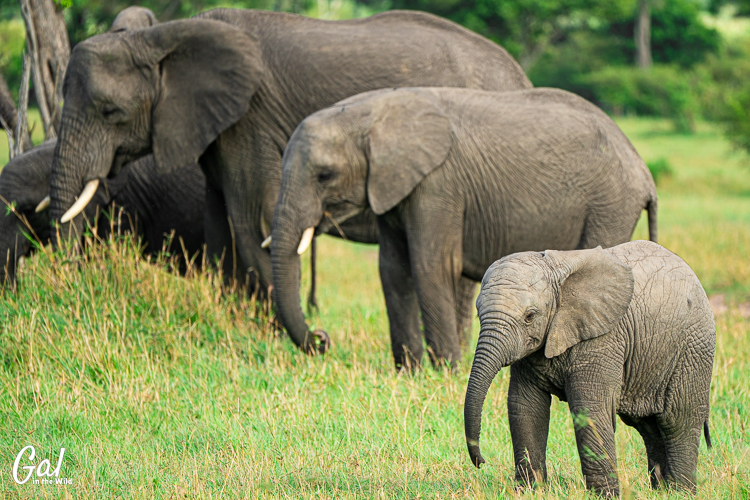
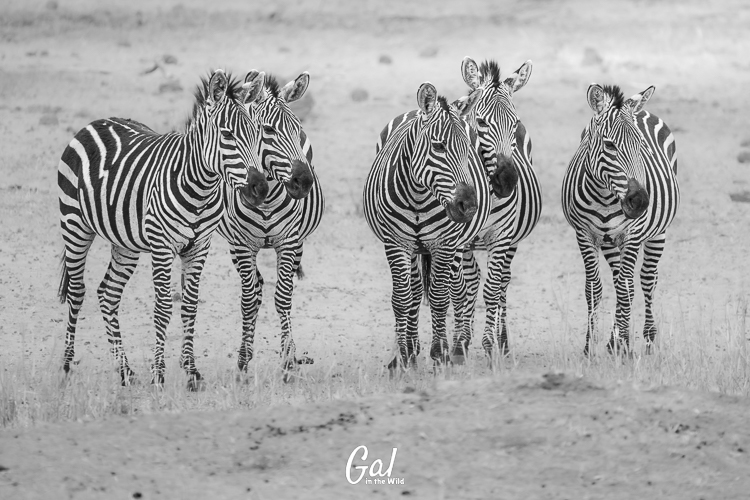
All photos featured in this article are my own. Every shot was taken by following the “fly on the wall” approach described here- allowing animals to control the encounter, minimizing disturbance, and prioritizing their well-being above the results. These photos are a product of countless hours of research, preparation, and being out in the field, and showcase the peak moments when everything came together, and luck was on my side- as all photographers would know, for every successful session, there have been several sessions of coming home disappointed. These shots reflect years of practicing ethical wildlife photography, and serve as a reminder that intimate visual storytelling doesn't require intrusion- only patience, preparation, respect, and luck.

