
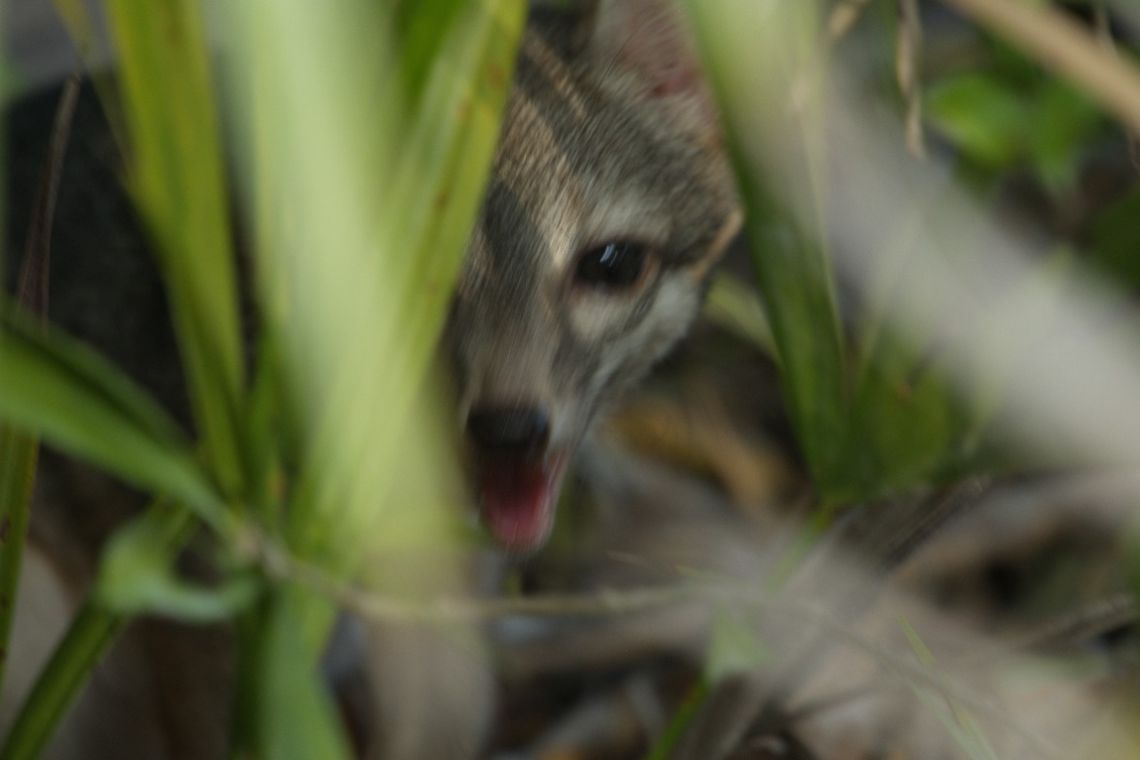
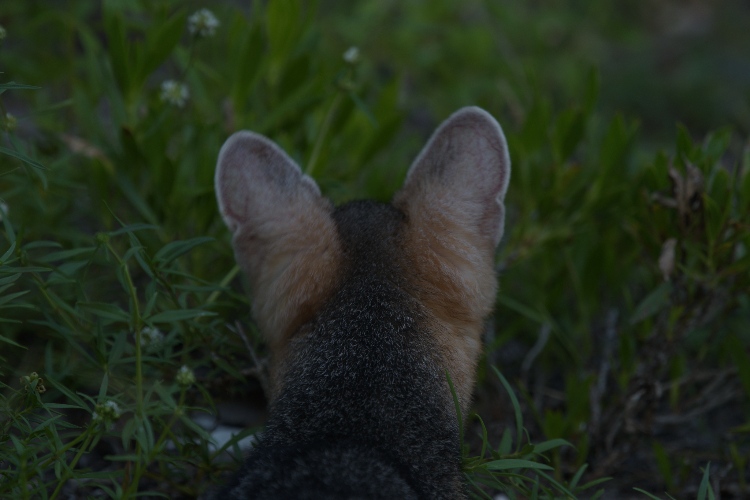
The first photograph ever captured of a Cozumel fox (Urocyon sp.), uploaded to iNaturalist in September 2023. For a species long thought to be possibly extinct or at best extremely rare, this record provided the first visual confirmation that the fox was persisting on the island. Photo Credit: Rafael Chacón.
Photographs recently published in the journal, Neotropical Biology and Conservation is giving the world its first-ever look at the Cozumel dwarf fox (Urocyon sp.), an undescribed species previously presumed extinct.
With their existence and persistence confirmed, the question now is: can the species still be saved?
An Island of Endemics
Millions of people visit the island of Cozumel in Mexico each year to experience its world-renowned diving and rich marine life. Yet surprisingly few are aware of an entirely other world lying just above the sea–where ancient Mayan jungles are alive and full of creatures found nowhere else on Earth.
Cozumel is a hotspot of biodiversity and endemism. Its relatively large size, proximity to the Yucatán Peninsula, and long history of isolation have created the ideal conditions for life to flourish and new species to evolve.
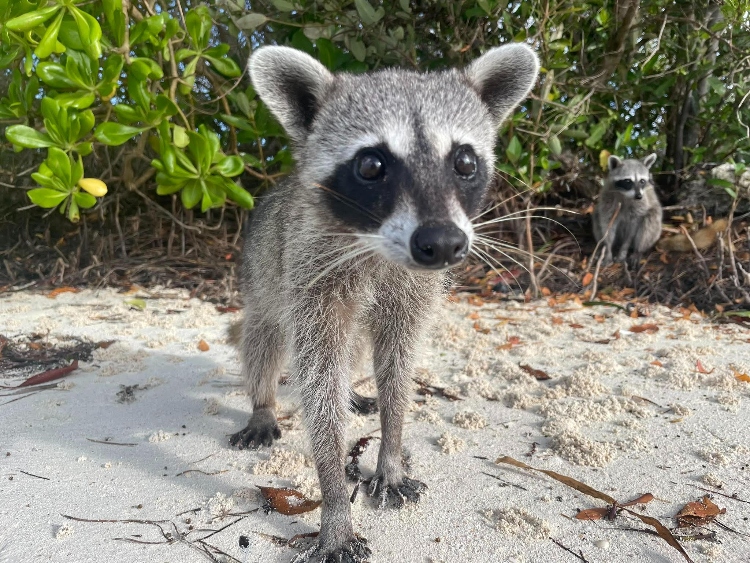
Among the island’s most fascinating endemics are three dwarfed mammalian carnivores: the Cozumel pygmy raccoon (Procyon pygmaeus), the Cozumel dwarf coati (Nasua nelsoni), and the Cozumel fox (Urocyon sp.). Each is a miniature version of its mainland ancestor, shaped by generations of isolation. Today, all three are considered critically endangered or on the brink of extinction by scientific consensus.
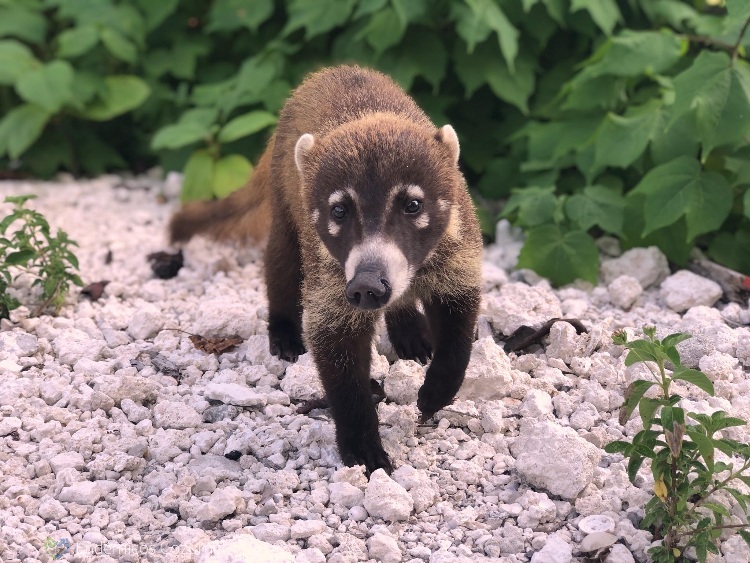
Numerous efforts have been made to study and assess the taxonomy of the raccoons and coatis. The field studies conducted on these animals are critical for understanding their ecology, distribution, and conservation needs. The taxonomic assessments enable species-specific management strategies and determine the level of protection and resources dedicated to their preservation.
All the while, however, both science and society have seemingly forgotten about the foxes.
Cozumel’s Forgotten Foxes
The existence of the Cozumel fox was previously known from only a few reported sightings –the last being in 2001– and one study analysing the subfossil remains of ancient individuals found at Mayan archaeological sites. The 500 to 1,500-year-old adult bones already showed clear signs of island dwarfism, measuring 60-80% the size of mainland grey foxes. These findings suggest they had been evolving in isolation for at least 5,000 to 13,000 years, predating human settlement on the island, and warranting their recognition as a distinct species.
Without additional genetic and physical evidence from living individuals, the species remains undescribed and in imminent danger of going extinct before it is even scientifically recognised. Still, there had never been a study conducted specifically to search for them.
How can we prevent the disappearance of an animal that we don’t even know?
We can't. Not without urgent efforts to document and describe the species. This would generate the information about their physical traits, genetics, and ecology needed to officially assess their conservation status, identify their main threats, and develop appropriate strategies for their long-term survival.
The reality is that the Cozumel fox will go extinct if nobody does anything to prevent it, and in early 2023, researchers from the non-profit organisation Pathos Wildlife realised that nobody was. Waiting for someone else to act seemed increasingly likely to mean that no one ever would, and they felt a responsibility to try themselves.
The First Photographs
Later that year, in September 2023, a series of photographs was taken and uploaded to iNaturalist by Rafael Chacón, Director of Conservation and Environmental Education at La Fundación de Parques y Museos de Cozumel (FPMC). They represent the first-ever documentation of a living Cozumel fox and the first confirmed sighting in more than 20 years.
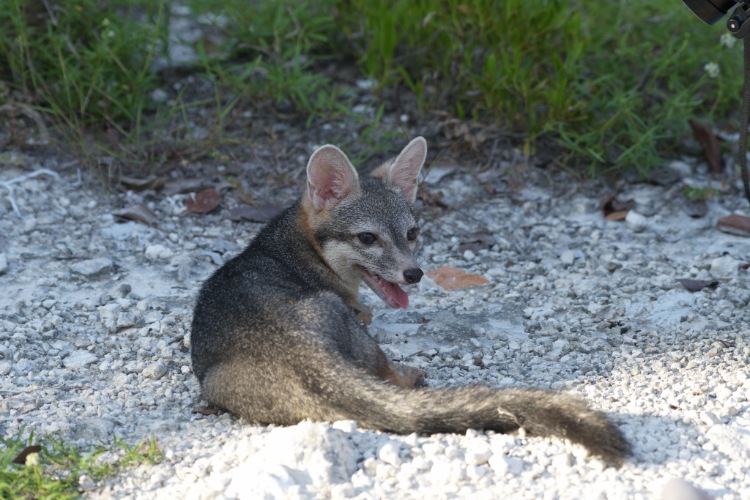
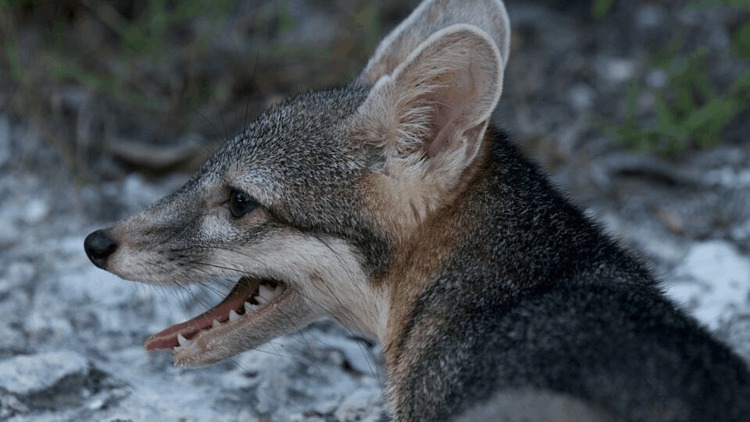
While this offered a rare and exciting glimpse of the fox's continued existence, it also highlighted the urgent need for further research and conservation action. Without immediate and targeted conservation strategies, this animal will go extinct.
Now, for the first time, dedicated efforts are being made to search for, study, and ensure the survival of the elusive Cozumel fox–likely the rarest canid on Earth. The search and rescue mission is being led by Pathos Wildlife in collaboration with Rafael Chacón and FPMC.
A Systematic Search
In March of 2026, Pathos Wildlife researchers Travis Bayer and Maggie McGreal travelled to Cozumel to conduct the first-ever targeted survey of the Cozumel fox, using technology to efficiently search for remaining individuals across the entire area they may occupy. The study represents the largest simultaneous camera trap deployment ever conducted on the island.
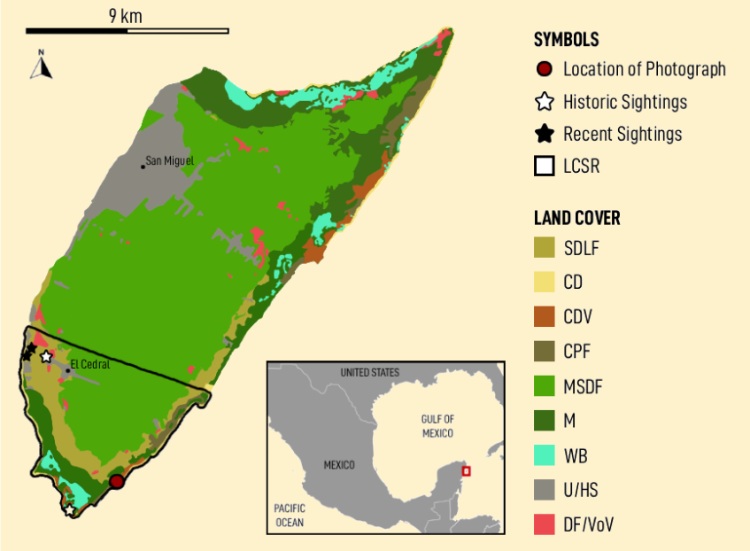
Spatial distribution of dwarf fox records across land use and vegetation types on Cozumel. The red dot outlined in black indicates the location where the fox was photographed in September 2023. White stars denote historical dwarf fox sightings from 1984 and 1985 (Cuarón et al.). 2004), and the black stars indicate recent sightings observed by the authors during field work in 2025 and 2026. The study area is outlined in black. Land-cover categories include SDLF (Subdeciduous Lowland Forest), CD (Coastal Dunes), CDV (Coastal Dune Vegetation), CPF (Chitpalm Forest), MSDF (Medium Subdeciduous Forest), M (Mangroves), WB (Water Bodies), U/HS (Urbanisation/Human Settlements), and DF/VoV (Deforestation/Void of Vegetation). Credit: Bayer et al., 2026.
Over the course of 19 days, they systematically deployed 84 trail cameras along a defined grid covering an area of roughly 100 km2 (40 mi2), encompassing nearly the entire southern half of the island and all of the fox’s suspected range.
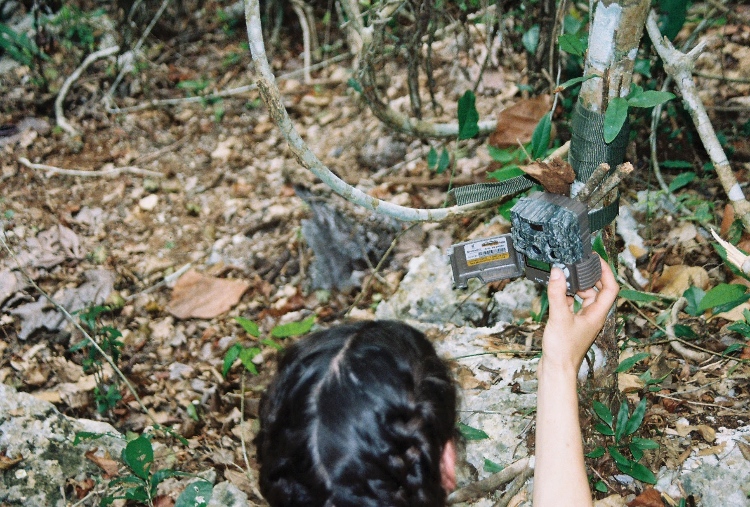
Cameras were paired with grey fox-specific scent lures to specifically attract the foxes, sticky hair snares to non-invasively collect DNA for genetic analyses, and measurement references to assess the fox’s size and differentiate between photographed individuals.
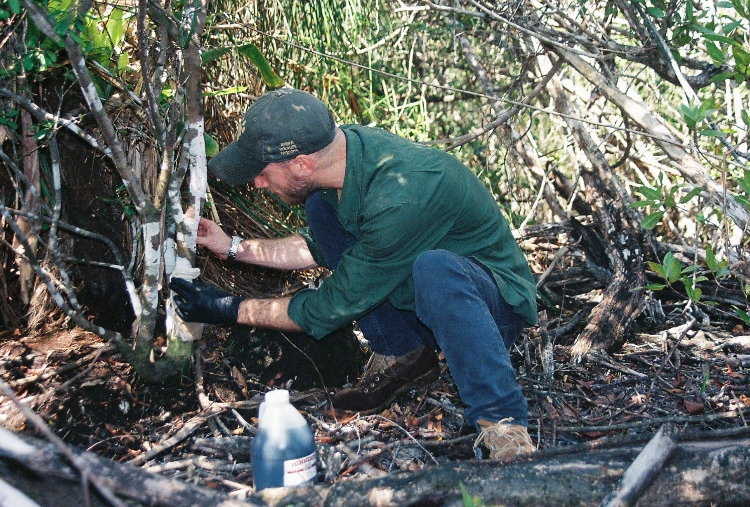
In the Field
The deployment of these cameras was no small feat. Southern Cozumel is covered in vast and deep wilderness that is almost entirely unoccupied. The two researchers had to navigate through dense Mayan jungle, mangroves, and lagoons that at times were completely impenetrable.
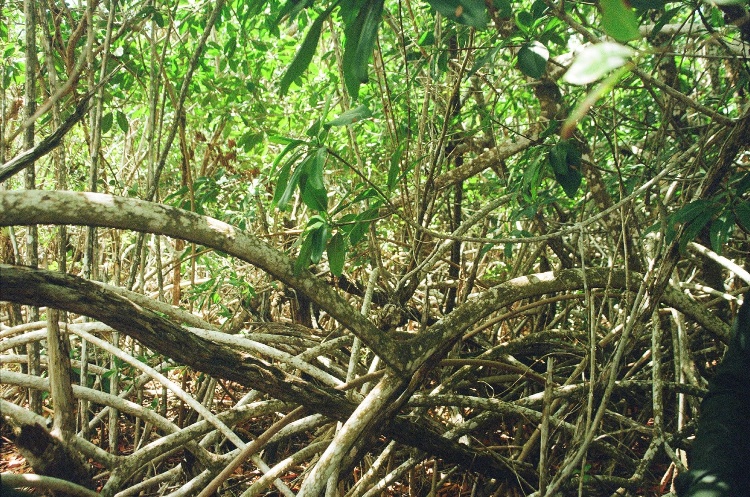
The placement of cameras within these remote locations was strategic. While maintaining the integrity of this grid was among the greatest challenges, it will be essential for producing data suitable for official assessment and listing by the IUCN Red List.
The data they collect will lend critical insight into what areas the foxes do, and don’t, occupy, guiding the team on what areas to target for immediate conservation efforts and prioritise for continuous monitoring.
Growing Threats: Predators, Highways, & A Changing Ecosystem
While in the field, the team also identified urgent and accelerating threats to the island's ecosystem, including the presence of feral dogs and cats as well as invasive predators like margays and ocelots, protected species from the mainland that face their own conservation challenges at home.
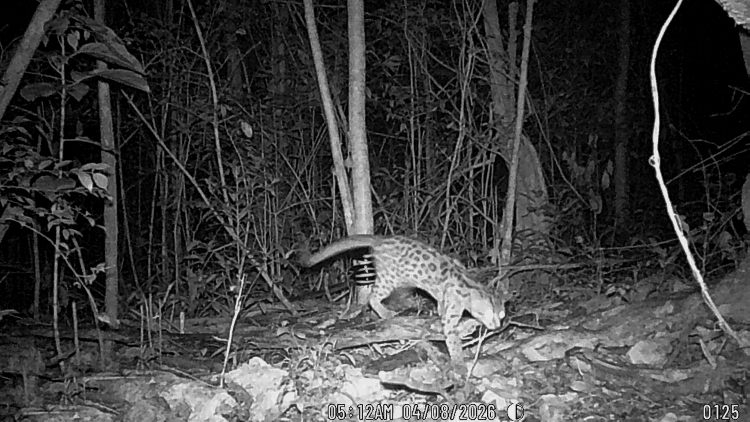
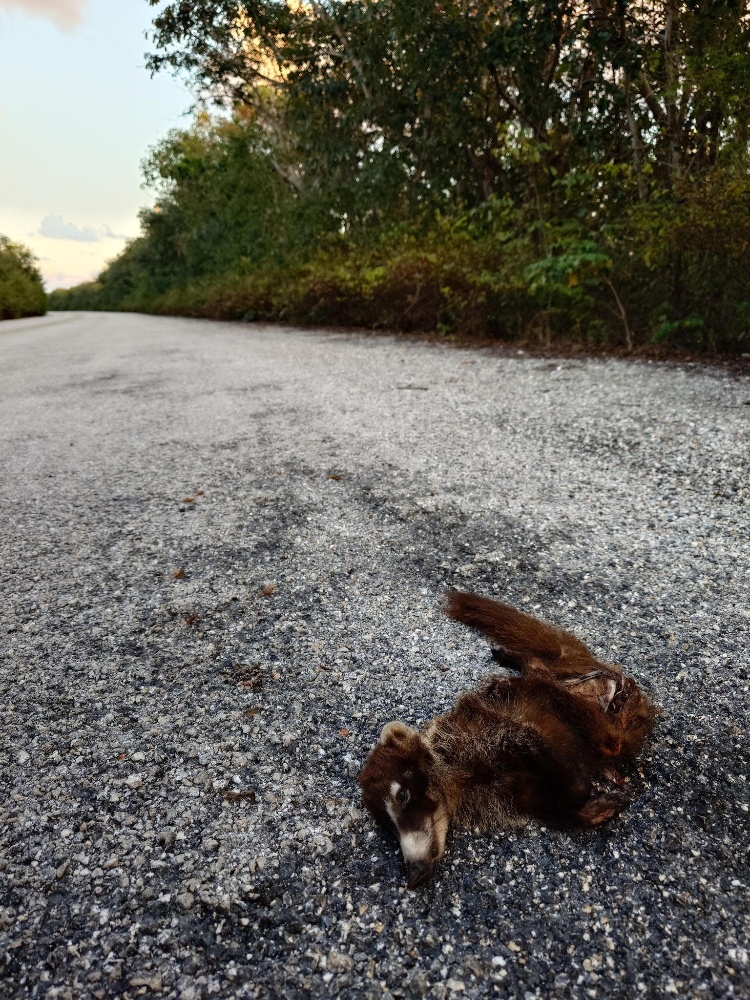
In conjunction with the search for the fox, Pathos Wildlife is developing strategies to help address these growing threats to local biodiversity. Potential solutions include the humane relocation of invasive predators to suitable mainland habitats and the implementation of solar-powered dynamic speed feedback signs along high-risk sections of the highway to help reduce wildlife-vehicle collisions.
Advancing Conservation Through Technology
The second field season is scheduled for July 2026, during which the team will return to collect and analyse the camera data. The results will provide the first insights into this population and help guide the next steps in the fight to save the species.
In response to challenges like this, where the window for action has nearly run out, Pathos Wildlife is building the tools necessary for rapid conservation response. By implementing modern, advanced monitoring technologies such as thermal drones, camera trap networks, non-invasive genetic sampling, intelligent infrastructure, and real-time monitoring systems, the researchers aim to rapidly generate the ecological information needed to guide immediate conservation intervention.
If successful in protecting the Cozumel Fox, similar methodologies could be applied to other critically endangered species around the world. This is the core mission of Pathos Wildlife: “To ensure that when opportunities to save species arise, we have the tools, information, and capacity to act before those opportunities disappear forever. We believe that as technology advances, so should our conservation strategies.”
To date, this work is almost entirely funded through public support. If you would like to help save the rarest canid on Earth from extinction, please consider donating. As an organisation run entirely by dedicated and passionate volunteers, every dollar goes directly toward on-the-ground conservation efforts.

