
Conversations with women leading conservation in South Africa - protecting our natural heritage and refusing to give up on nature.
In the second part of our Women Who Keep the Wild Alive series, we turn from watershed restoration to the wider challenge of building conservation partnerships across an enormous and socially complex landscape. Linda Fletcher’s journey from corporate leadership into conservation illustrates how skills from outside the traditional environmental sector can help bring more people into the conversation about nature.
Linda Fletcher - Gouritz Cluster Biosphere Reserve: Sustainability Manager & Acting CEO - ‘From Corporate to Conservationist’
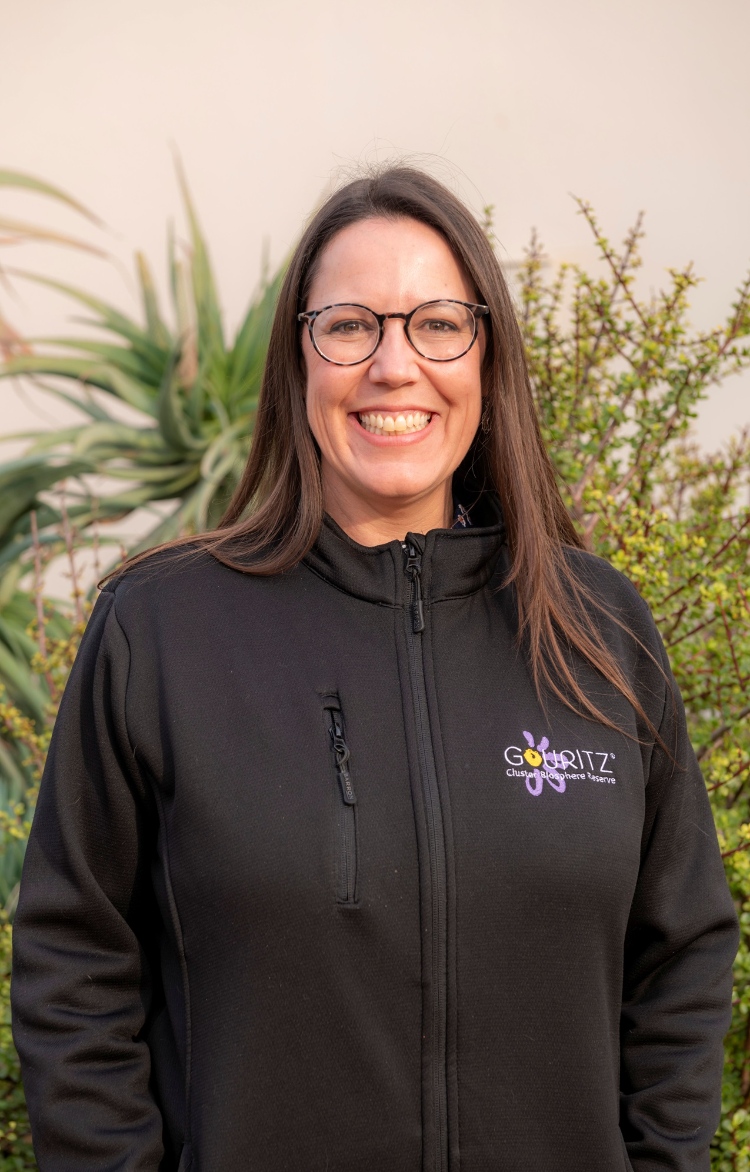
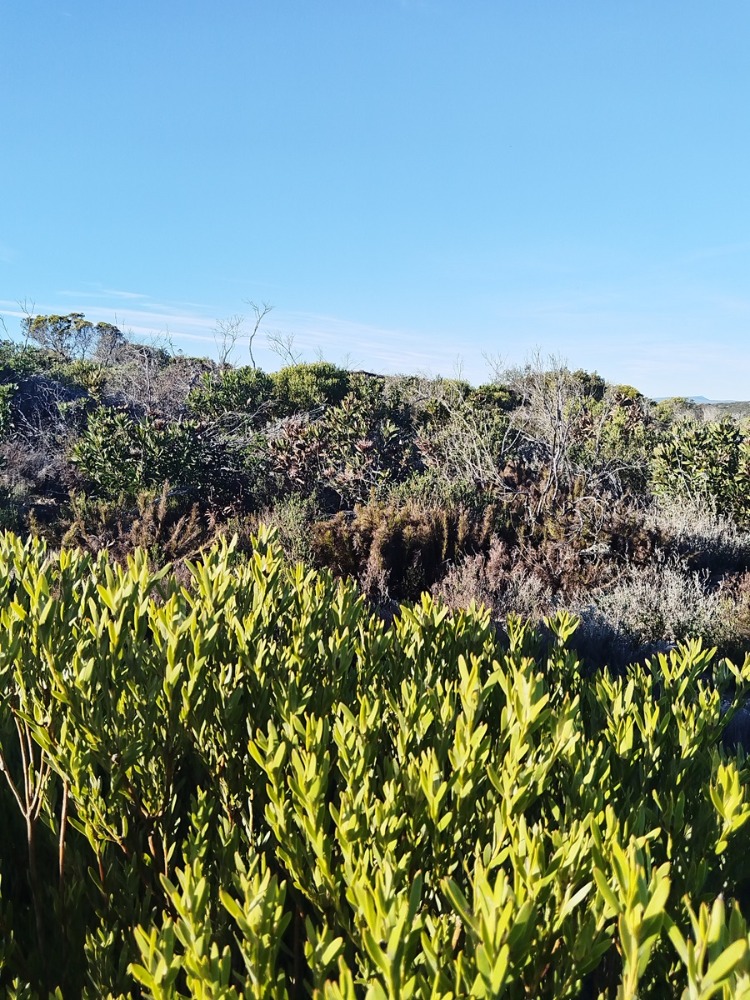
Linda Fletcher is in charge at the Gouritz Cluster Biosphere Reserve [GCBR], a non-profit organisation managing the eponymous UNESCO biosphere reserve located across parts of the Western, Southern and Eastern Cape of South Africa. The reserve, South Africa’s largest - spans an immense 3,187,893 hectares - including three recognised UNESCO World Heritage Sites: the Swartberg Complex, Boosmansbos Nature Reserve and Baviaanskloof. It is the only place in the world where three recognised global biodiversity hotspots converge, namely Fynbos, Succulent Karoo, and Maputaland-Pondoland-Albany. The site is characterised by a high level of plant endemism with 1,325 endemic species, including 182 Succulent Karoo endemics and 92 IUCN Red List species - out of the approximately 5,000 plant species present in the reserve. Despite its rich biodiversity, the area faces deep-rooted socio-economic challenges, including high unemployment, poverty, sprawling informal settlements with inadequate services and growing crime.
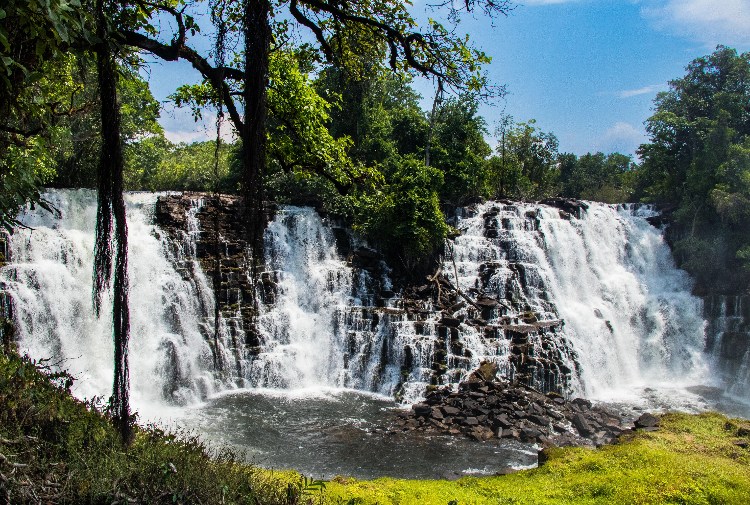
Born in Zimbabwe, Linda grew up around Middleburg in Mpumalanga, going back to Zimbabwe for holidays to Victoria Falls, wild areas, and game reserves, exploring and absorbing raw nature. With her grandparents living in Plettenberg Bay, her field excursions inevitably brought her to the Garden Route area of Wilderness with its dense indigenous forests, reinforcing her connection to the environment. After studying Business Administration and Management, she moved to Pretoria and finally made a bold move down to Sedgefield in the Western Cape - setting the stage for her recruitment into the GCBR in Riversdale.
Reflecting on her earlier work, Linda noted, “I come from a very different space. My career started in law, then financial services and then into sales, with 13 years spent in sales and operations management in Fortune 500 fast-moving consumer goods [FMCG] organisations. Though I have a very corporate background, I’ve had a love for nature since childhood. Stumbling across GCBR, waltzing in at first as a volunteer was life-changing and opened a path to something that was truly a passion. At first, I was worried that I lacked technical conservation expertise; however, I soon realised that the community is already full of know-how and my corporate perspective brought in a necessary yet underrepresented skillset.”
“As I got older, I felt a need to serve the environment. Back in the corporate world, I was that annoying person in the boardroom constantly asking about what we’re doing for the planet, or pushing to implement sustainability and green practices,” she continued.
Speaking on her initiatives at GCBR, Linda commented, "I noticed that while the scientists and conservationists were talking amongst each other, nobody was communicating about their work to the man on the street, and so I set out to find ways to bring people into the conservation conversation and start changing hearts and minds. That’s when I came up with the now-annual Inheems Art Festival, to serve teenagers in the area where no local high schools have art as a subject, drawing their attention and creativity into nature."
“Next, I started the Friends of the Biosphere Programme, crowdfunding from big-hearted local businesses to help with restoration work, including providing small grants to other organisations and partners in the sector. We know that there are many individuals and groups of people doing voluntary work for the environment, and that with a bit of financial support they could make an even greater impact. We also know that many businesses want to give back to their community, and this programme connected these two groups in a structured and meaningful way, empowering communities to take ownership of their environmental future with support from the business sector.”
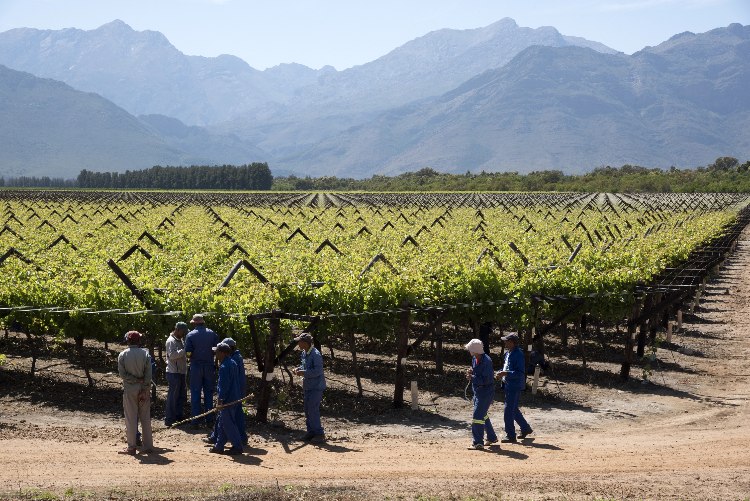
Asked about her broad views on South African conservation, Linda replied, “Our sector has so many intelligent people who are doing such good stuff. What we are doing in the Western Cape protected areas expansion plan is making the process simpler for landowners to engage in voluntary stewardship, incorporating OECMs for the in-situ conservation of biodiversity and contributing to the ‘30 by 30’ global biodiversity framework targets. The amount of constructive collaborations that exist in the space is really good - but there are gaps in capacity, research, and financing. It’s important that we bring the community along with us, while cultivating an inter-agency culture of shared success. We don’t want to end up with ‘paper parks’ that exist officially but where conservation work isn’t implemented - and that’s why we need to shift away from rivalries over a scarcity of funding and embrace an abundance mentality; for all biospheres, reserves and parks.”
“South Africa has good policies that are not necessarily implemented, and there is a challenge in bridging the implementation gap. This is where we need to create partnerships to get the job done - improving policies and streamlining bureaucracy to make it easier for the government and its agencies to help organisations doing the work. Cities are built out of hard infrastructures, but we also need to think about our ecological infrastructures that provide vital services such as clean drinking water - doing the necessary work to restore and maintain them - remembering that the taps in our homes begin far out in a mountain catchment area,” she continued.
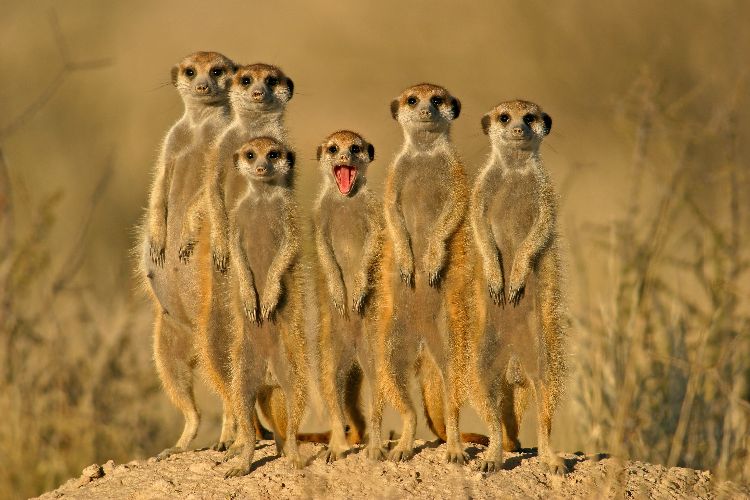
On the subject of attracting more ladies into conservation careers, Linda observed, “The space needs more women, and more women are making contributions while being valued in this arena. There are women who have been pioneer conservationists in our landscapes and have paved the way for us. Gender inclusivity is a natural evolution within the sector, and it is amazing to see young women emerge as leaders in the work that we do. Conservation has shifted away from fortress conservation, and today it’s more about living landscapes integrated into neighbouring settlements and collaborations with indigenous peoples. It’s encouraging to see more females leading the paths toward a more diverse and inclusive conservation community.”
“Nature isn't just something beautiful to admire; it's the life-support system we all depend on. Protecting it is some of the most meaningful work we can do, because healthy ecosystems underpin our water, food, livelihoods, and wellbeing. The wonderful thing about conservation is that it doesn't just need ecologists; it needs every talent. Whether your strengths are in science, business, communication, technology, education or leadership, there is a place for you. I didn't come from a scientific background, yet I found that my skills could make a meaningful contribution. As conservation becomes increasingly collaborative and community-centred, we need more women helping to shape its future. Women are exceptional at bringing people together, building partnerships and leading with purpose, qualities that are essential if we're going to tackle the complex environmental challenges ahead. Find the intersection between what you love and what the world needs. If nature is what you love, don't be afraid to bring your unique skills to conservation - the sector needs them more than ever,” she concluded.
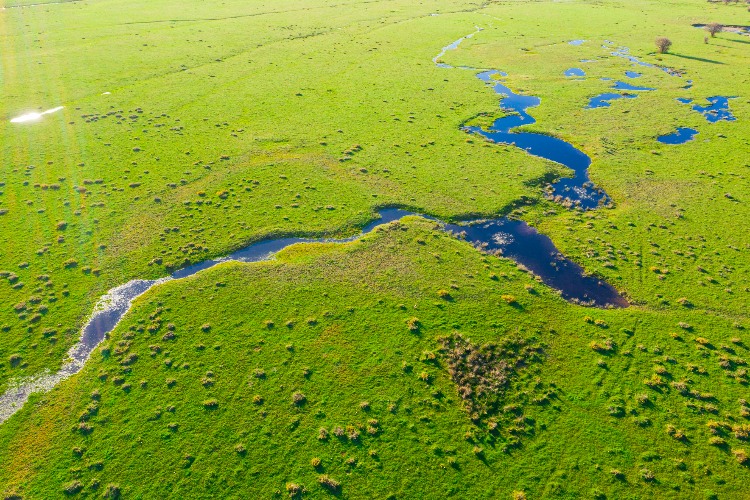
Linda’s experience demonstrates that conservation needs more than scientists alone. It needs communicators, organisers, business minds, community leaders, and people who can build bridges between sectors. Her approach is a reminder that the future of conservation will depend not only on protecting land, but on creating partnerships in which communities, landowners, businesses, government, and conservation organisations share responsibility for the landscapes around them.

