
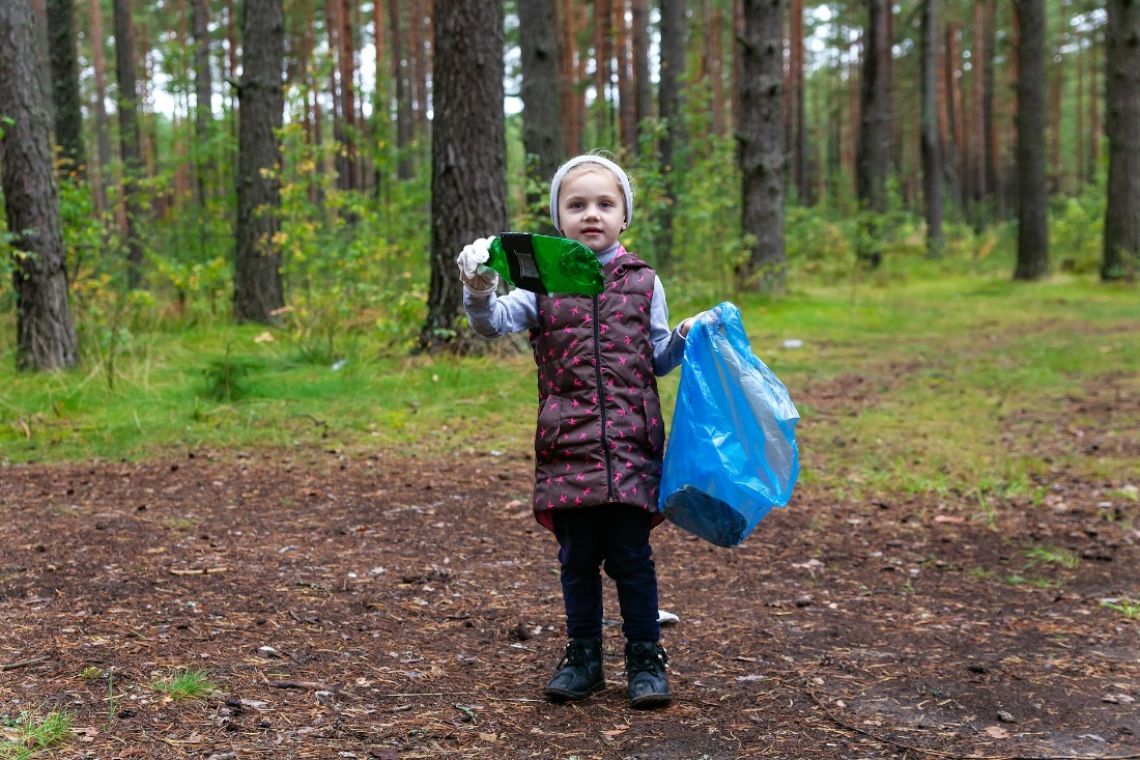
Children are naturally curious about the world around them, whether they’re looking at a procession of ants or giant pine trees. As parents and educators, you hold the responsibility to help stoke that spark of curiosity under the weight of screens and academic pressures. Nurturing this fascination can help shape the future caretakers of the planet.
Why Today's Children Will Lead Tomorrow's Conservation Movement
The current environmental landscape is shaped by changing climate patterns and unprecedented biodiversity loss. As a result, the challenges future generations will face demand environmental literacy, resilience and creative problem-solving. After all, the youth are future policymakers, scientists, community organisers and conscious consumers who will be making critical decisions about how humanity interacts with Earth's remaining wild places.
According to recent ecological assessments, the average size of monitored vertebrate wildlife populations has declined by 73% over the last 50 years alone. Traditional approaches to resource management are no longer sufficient. When young people grasp how deeply human well-being is intertwined with healthy ecosystems, they grow into adults who consider the environment in their everyday choices.
The Lasting Impact of Early Conservation Education
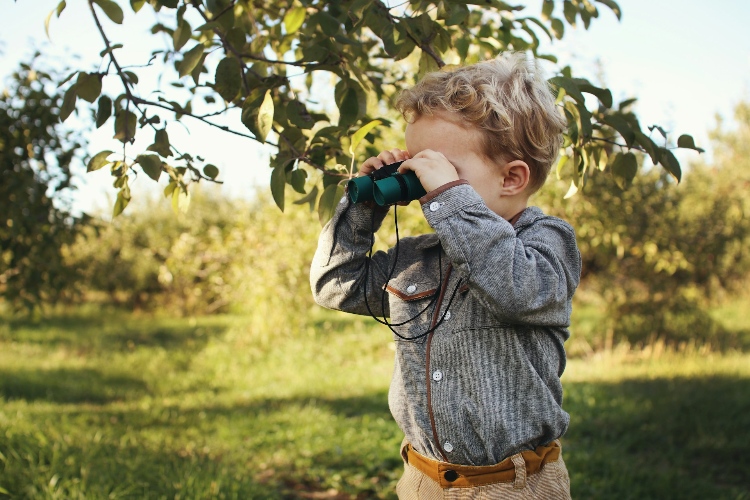
Early environmental instruction reshapes how young minds evaluate their place on Earth. When you introduce conservation concepts during the formative years, you lay a cognitive foundation that remains firm well into adulthood.
More than 80% of environmental education programmes succeed in driving positive behaviour change among students. These programmes are all about instilling lifelong habits beyond the classroom setting. When children are taught to value nature early on, those lessons become core values that guide their decisions into adulthood.
It can be as simple as doing upcycled crafts, gardening or going for a nature walk. These are all hands-on approaches that show people's impact on the larger world.
Sustainability and Ocean Stewardship
As an adult guiding children’s journey to embracing nature, your task is to help them bridge the gap between the familiar micro-worlds of their backyards and the expansive, interconnected systems that sustain life on Earth.
For instance, the ocean covers most of the Earth's surface, regulates global climate and provides roughly half of Earth’s oxygen. Yet, because its depths are hidden from plain sight, it often feels abstract to a young mind. You can ignite a child's imagination by reframing the sea not as a vast blue void, but as an undiscovered world still waiting to be explored.
In fact, scientists estimate that about 90% of ocean species are undiscovered, leaving millions of sea creatures waiting to be identified by future researchers. By connecting a child's natural wonder about local marine life or streams to these unexplored oceanic depths, you encourage them to understand and safeguard the planet's vast aquatic realm.
What You Risk by Waiting Too Long to Teach Conservation
Young children naturally possess a non-judgmental, awe-filled view of living creatures. If you wait until adolescence or young adulthood to introduce environmental concepts, you might miss the formative period when emotional bonds with the natural world are formed most effortlessly.
That interest might get replaced by digital consumerism, abstract worries or detachment. Environmental issues can also feel abstract or disempowering, especially when seen through the lens of political debate or catastrophes.
Core Conservation Lessons Every Child Should Know
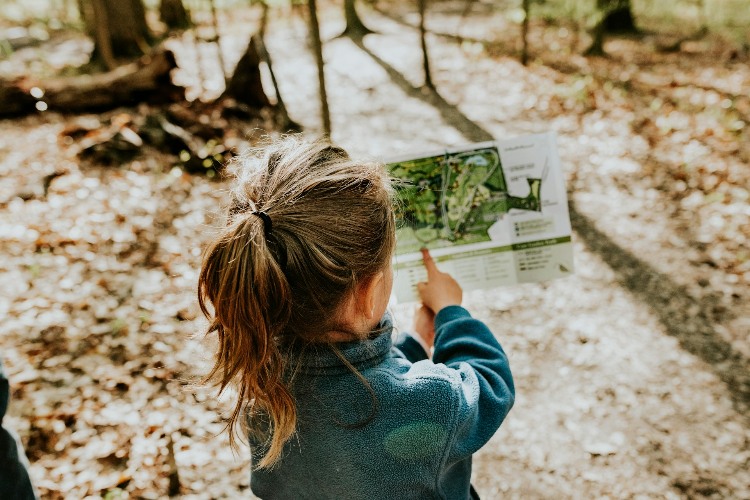
You can start with simple, practical lessons that ground grand environmental principles in everyday experiences, such as:
- Respecting all living things: Children should learn that every animal, plant and microorganism plays a role in its local ecosystem, regardless of whether they are cuddly, beautiful or useful to humans.
- Understanding resource limits: Teaching young people that clean water, healthy soil and fresh air are finite resources helps them develop a healthy respect for conservation and waste reduction.
- Recognising personal footprints: Children benefit from seeing direct cause-and-effect relationships, such as how proper waste disposal keeps local parks clean.
- Seeing systems at work: Helping kids connect the dots between local habitats and global health teaches them how small local actions ripple outward.
- Practising stewardship over ownership: Encouraging children to see themselves as temporary caretakers of natural spaces rather than owners cultivates humility and responsibility.
- Embracing reduce, reuse and recycle: Children can build sustainable skills and habits, such as avoiding single-use plastic, mending minor rips on clothes, reusing both sides of a piece of paper and properly sorting waste, that they can carry toward adulthood.
Getting Kids Outdoors to Build a Genuine Connection With Nature
While books, documentary films and interactive classroom lessons are valuable tools, nothing can replace direct physical contact with the natural world. Environmental values are solidified through muddy boots, scraped knees, salty ocean breeze and the smell of pine needles after rain. When you prioritise outdoor time for children, you provide the essential raw material from which genuine environmental stewardship grows.
Unstructured time outdoors can improve children's social and cognitive development. This time with nature can be as simple as scrambling over mossy rocks in a local forest, building sandcastles on a coast or simply tending to a modest vegetable patch in an urban backyard. When young people fall in love with the outdoors, protecting the environment becomes an innate desire to defend a place they hold dear.
Empowering Action Through Community Involvement
Another great way to empower children to take action for their environment is to expose them to larger, collective environmental movements. Try finding local initiatives such as park cleanups, tree-planting days, birdwatches or community garden projects. These shared efforts provide a sense of agency, accomplishment and camaraderie. They can physically see the positive impact of their own efforts.
Through collective action, children can understand that they are contributors to a greater world rather than feeling small amid global challenges.
Raising the Conservationists the Planet Needs
The work of raising environmental stewards happens in ordinary, everyday moments. You can model behaviour such as stopping to admire an autumn leaf, walking instead of driving, choosing reusable alternatives, or sitting quietly to observe wildlife in a neighbourhood park. Every time you invite a child to notice, appreciate and care for the world around them, you plant a seed that will bear fruit for decades to come.
Your role is to nurture a child’s wonder and provide them with regular opportunities to develop a personal relationship with the Earth. With a deep-seated love for the natural world today, they can help build a thriving, sustainable future.

