
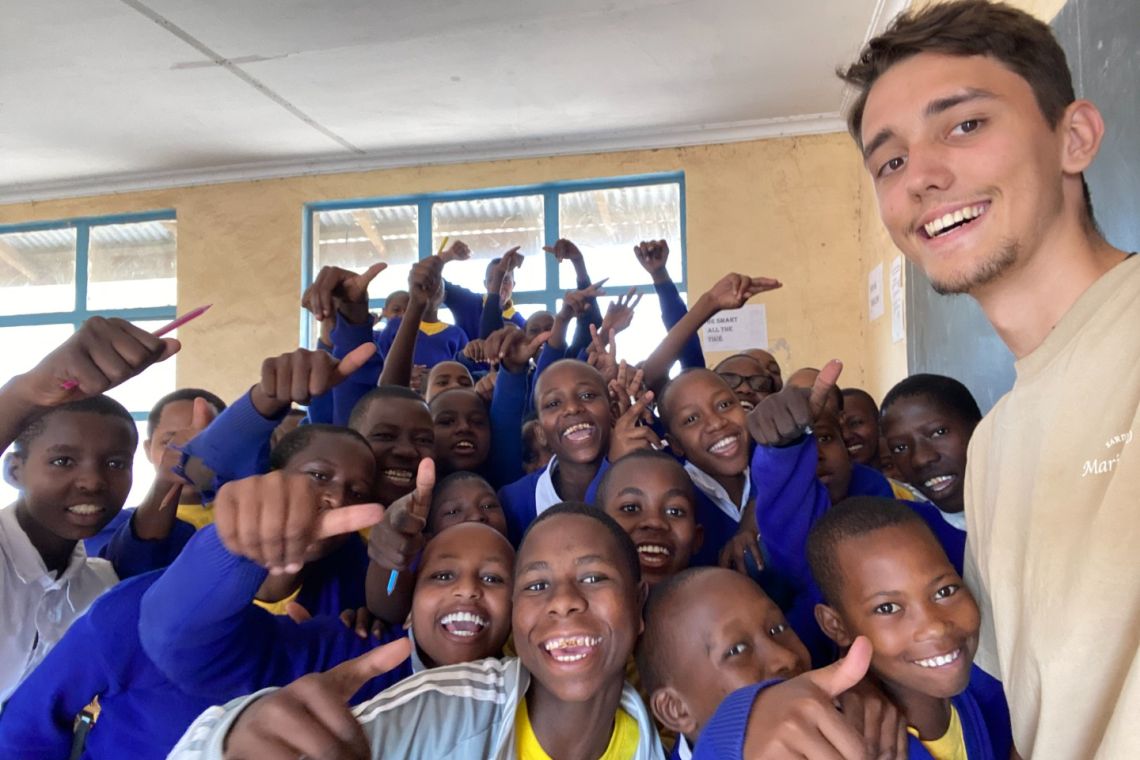
The vast, sun-drenched plains of northern Tanzania are often framed as a pristine wilderness, yet the reality is a complex, shared landscape where the ancient rhythms of wildlife and humanity beat in unison. By documenting the movements of hyenas, their social dynamics, and human interactions of hyenas around Lake Eyasi, the non-profit organisation United Tansania e.V. is broadening our understanding of how large carnivores persist alongside pastoralists and foragers. This spatiotemporal assessment not only charts hyena populations through space and time but also spotlights their remarkable adaptability, the complex interplay with local people, and the urgent need for nuanced conservation strategies.
A Dynamic Landscape
Situated on the floor of the Eastern Rift Valley in northern Tanzania, Lake Eyasi is a dynamic and seasonal saline lake nestled between the Serengeti Plateau and the Ngorongoro Conservation Area. Its shores support pastoral and hunter-gatherer livelihoods, notably by the Hadza and Datoga peoples, with wildlife navigating landscapes that are increasingly human-dominated.
At Lake Eyasi, the hyena project, led by United Tansania e.V., aims to assess the spatial distribution and temporal patterns of both spotted and striped hyenas in this savanna-steppe. Unlike protected areas where carnivores are buffered from human activities, the Lake Eyasi landscape represents a shared ecosystem in which predators, livestock, and people overlap daily.
Science in the Field
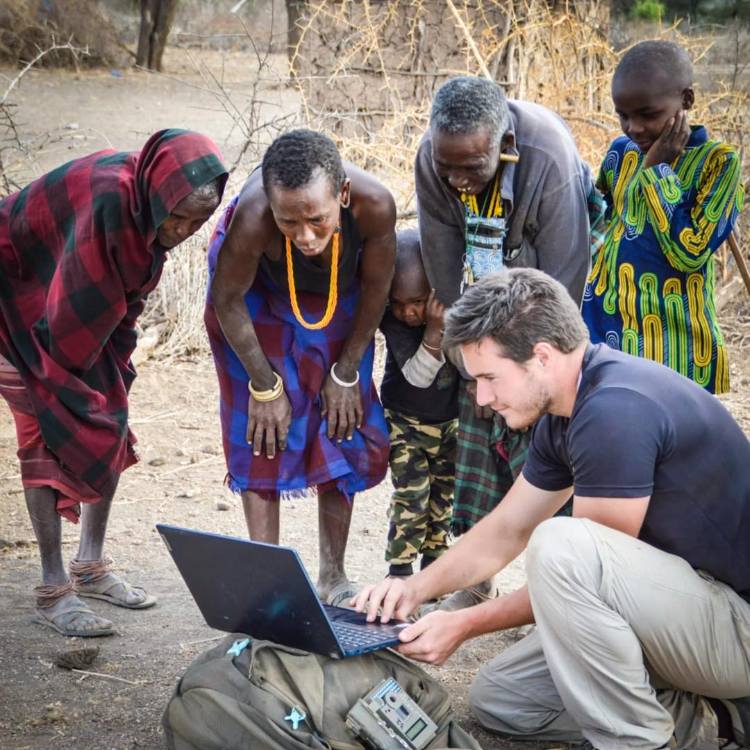
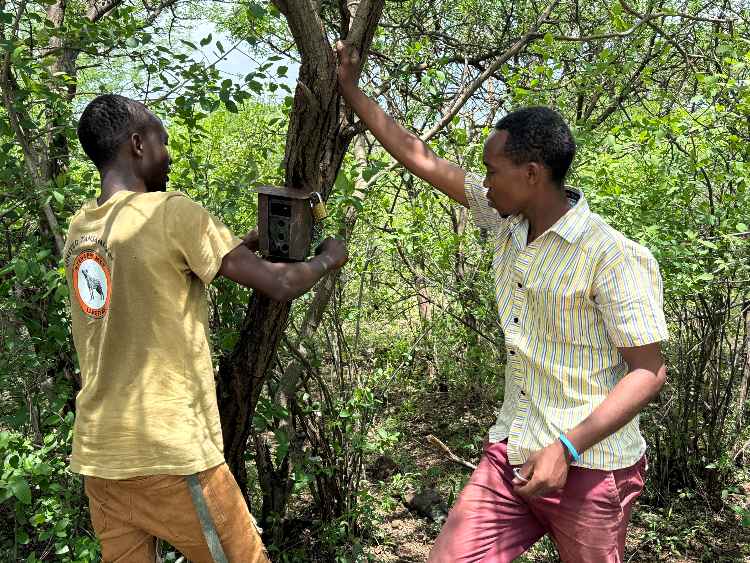
Critical to this assessment is the use of camera-traps, track and scat surveys, and photo-identification of individuals. Additionally, United Tansania e.V. operates a Carnivore Conflict Monitoring program within six local villages to document incidences of carnivore livestock predation, including gathering data on the species involved, location and time of the attack. Additionally, United Tansania e.V. hosts a Community Camera Scout Program across these same six communities to increase carnivore presence data collection, improve community perceptions of wildlife, and reward communities based on wildlife abundance. These data collection methods allow researchers not only to map where hyenas occur but to estimate home ranges, clan membership, and spatial overlaps with human settlements that have the potential to lead to incidences of conflict.
The Masters of Adaptability
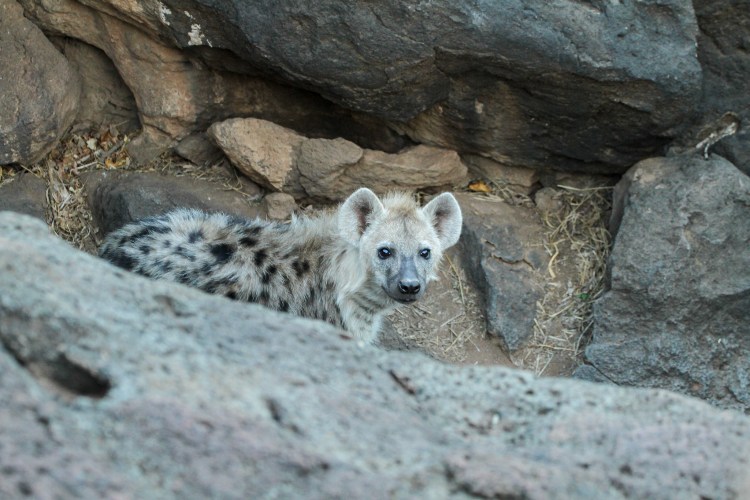
Spotted hyenas are among Africa’s most behaviorally flexible apex predators, occupying a range of habitats from protected savannas to human-dominated landscapes. They are known to exhibit plasticity in hunting, denning, and social behaviour in response to environmental and anthropogenic (human-driven) pressures
At Lake Eyasi, this plasticity is reflected in how clans adjust their landscape use across seasons. The region undergoes pronounced wet and dry cycles; during the dry season, terrestrial habitats open up and competition for freshwater increases, while in wetter months, migratory prey movements can reshape hunting grounds and inter-clan boundaries.
Interestingly, research into livestock depredation shows that these interactions are far from random. Hyena attacks tend to peak at night and during seasons with dense vegetation cover, when hunting conditions favour stealthy predator movements near bomas (livestock enclosures) and grazing pastures.
Pathways to Coexistence
However, there is a strong reason for optimism. Long-term studies in neighbouring ecosystems, such as the Ngorongoro Crater, suggest hyenas can tolerate predictable human activities with minimal disruption to their fitness, provided interactions remain non-violent. This behavioural flexibility opens pathways for coexistence with human strategies such as building smart livestock enclosures and community reporting systems, reducing conflict.
While spotted hyenas remain widespread, they face pressures from habitat conversion and retaliatory killings. Meanwhile, the elusive striped hyena, classified as Near Threatened by the IUCN, remains a conservation priority due to its rarity in the region.
Ultimately, the work by United Tansania e.V. shows that species persistence depends on seeing wildlife not as static figures, but as dynamic participants in a shared story. By integrating spatial ecology with grounded community engagement, this project illuminates how science can foster a future where one of Africa’s most iconic predators can thrive alongside the people who call the Rift Valley home.

