
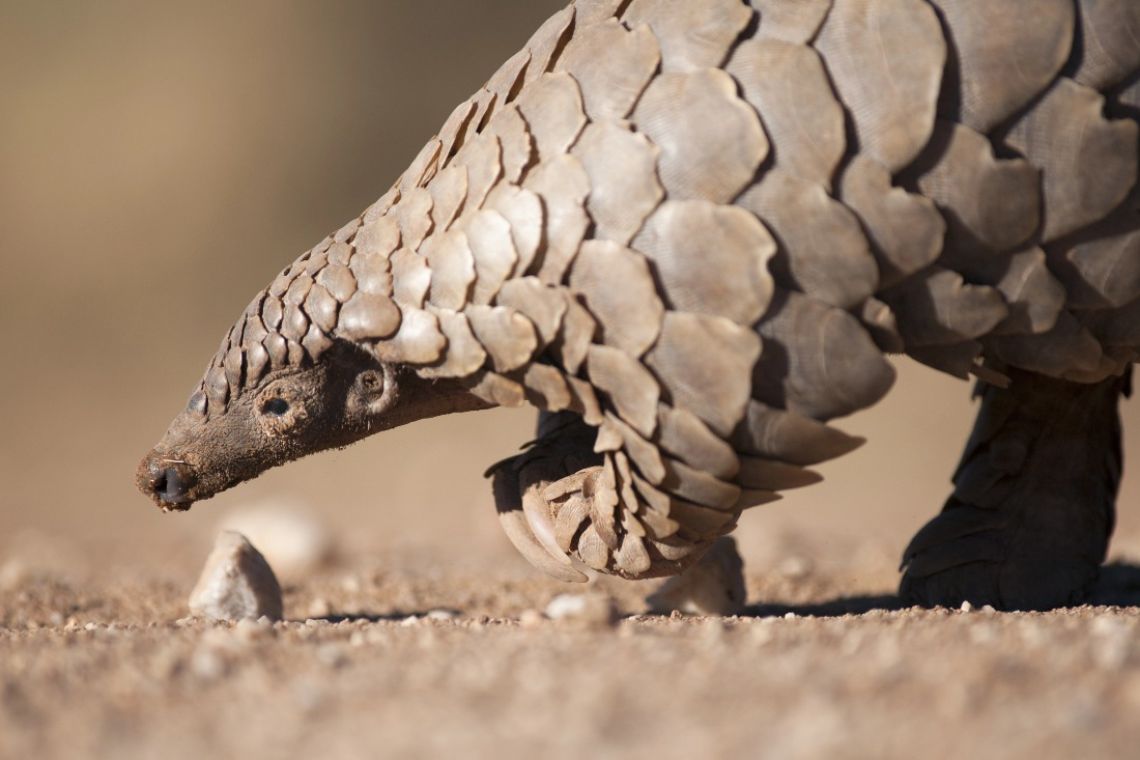
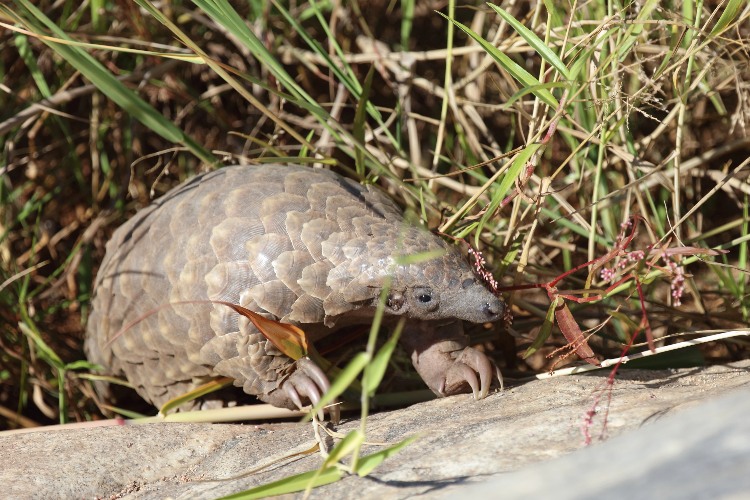
Pangolins are widely recognised as the most trafficked mammal globally.
Let that statement sink in for a moment. More than rhinos or elephants. Pangolins. A small, armoured animal you have probably never seen in your life. An estimated one million pangolins have been harvested in the wild in the last decade, with poaching levels in Africa reaching industrial scale.
I first learned about these gentle creatures, and the threat they are facing, at a public talk hosted by the Ditsong Natural History Museum – the first step in a new exhibition design. During the Q and A afterwards, I was struck by how guests were conflating pangolin cultural uses in Africa and Asia. Given the potential impact this kind of confusion could have on conservation efforts, I wanted to take a moment to explore how communities on the two continents engage with this elusive animal.
How big is the trade?
Before we start dissecting cultural practices, let us look at just how big the trade is.
Pangolin poaching and trade have been on the rise since at least 2007. Between 2010 and 2015, an estimated 55 tons of pangolin scales were confiscated in China, representing a tenfold increase from the previous decade. To put that in perspective, the average Asian pangolin can produce around 500g worth of scales, so that is over 100 000 dead pangolins. By 2019, interceptions from Africa had increased to 97 tonnes. And these values, limited as they are to official seizures, likely represent only the tip of the iceberg.
The monetary value is staggering, with sales prices in China exceeding US$ 500/Kg in 2014, rising to US$ 800/kg in 2016, and certain to be much higher today. It will thus come as no surprise that pangolin trade is now believed to be part of organised crime syndicates.
The size and value of the trade also mean that Asian pangolin populations are nearly extinct. Which forced a pivot towards that great source of exploitable resources, Africa. Today, Central African countries like Nigeria, the Democratic Republic of Congo, and Cameroon are reported to be major exporters of pangolins, most of it destined for mainland China.
Cultural uses in Africa
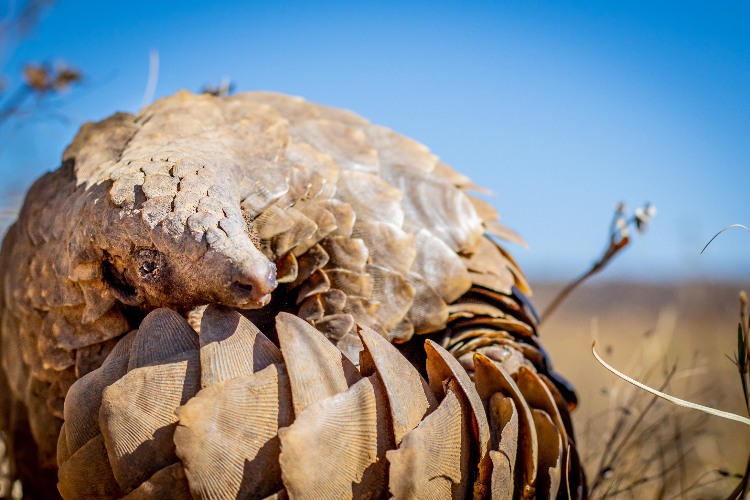
The cultural importance of pangolins has been studied in numerous African communities. Pangolins are revered, often associated with rainfall and considered good luck, with some communities even celebrating a sighting. They are important in traditional practices, especially for spiritual fortification. Typically used to guard against evil, in love charms, and in cleansing rituals, with scales (or other body parts) worn on the body, constructed into the home or kept close to beds or cradles. The bones are valued for divination.
They are also used to treat various physical ailments. For example, burning scales and inhaling the smoke to treat nosebleeds or headaches, using blood to treat blood pressure or female reproductive health concerns, or applying the fat for skin conditions. But it is the scales that are considered most valuable.
These patterns in usage and belief reflect shared attitudes and practices common throughout the continent. Their usage is most prevalent in rural communities where access to Western medicine is more limited and traditional belief systems much stronger. These communities have always emphasised sustainable hunting and frugal use.
So why has Pangolin hunting become so prevalent?
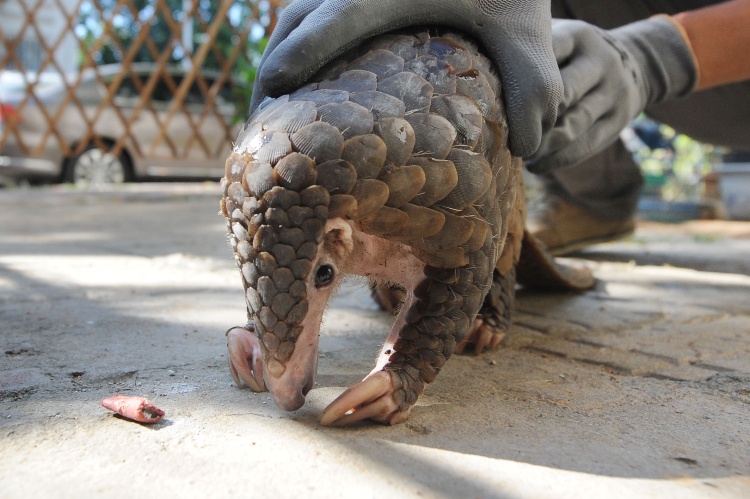
Pangolins are an extremely lucrative product that costs next to nothing to hunt. The pangolin’s primary defence of rolling into a ball is unfortunately not an effective adaptation to human predators, and they are highly territorial. Thus, the “skills” for hunting pangolins can be learned in a matter of days or hours by anyone with moderate bush knowledge.
The other factor worth considering is the lack of ground-level knowledge of conservation in many parts of the continent. In Nigeria, for example, conservation is not covered in elementary education, and most communities and individuals have no knowledge of the objectives and benefits of conservation efforts. This problem is further compounded by non-enforcement of regulatory policies and laws.
We should acknowledge that in some nations like Nigeria, pangolins have also become a status symbol. The meat is a delicacy of choice, the skin used for leather shoes and handbags, and the scales for ornamentation. However, these markets are not large enough to drive the level of poaching being observed.
“These beliefs have turned the pangolin into an article of ostentation, offered and purchased at a price well above its real value just because it is seen as a status symbol.” Soewu & Sodeinde 2015.
Poverty and inequality in Africa are high, and the extraordinary value of pangolins on the market is going to drive trade. But it should be clear by now that the demand is not coming from African communities or being driven by African cultural practices. No, once again, it is Africa being stripped of a natural resource by outside actors that is driving pangolins towards extinction.
Asian Markets and Chinese Traditional Medicine
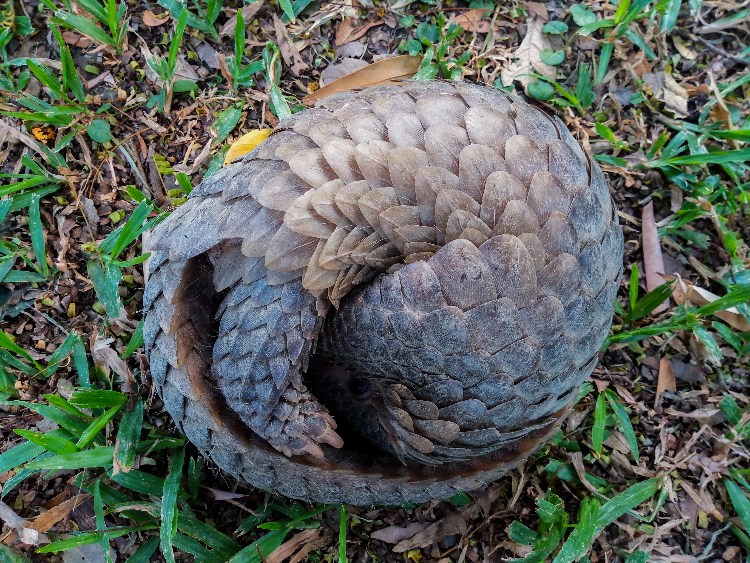
Pangolin consumption is likewise seen as a display of social status in China, but the major driver of the demand seems to be their usage for Traditional Chinese Medicine (TCM).
The importance of TCM cannot be overstated. It dates back more than 5000 years, and today it is recognised (and regulated) by the Chinese government, with TCM hospitals and clinics treating over 900 million patients.
TCM practitioners recommend pangolin treatments for both spiritual ailments and clinical applications, including stimulating milk secretion, mammary gland hyperplasia, infertility, liver disease, and tumours. Over 66 different kinds of (Chinese) medicines featuring pangolin material have been patented, even though there is no scientific evidence that pangolin scales have any medicinal properties.
A survey of TCM medical practitioners in 2020 found that over 95% supported the medicinal value of pangolin scales, with less than a third open to using alternatives. These same doctors had functionally no knowledge of the pangolin trade or the protected status of the species.
Similarly, surveys of the public showed a mixed understanding of the plight of pangolins but also noted that many people in China applied a moralistic value to their use. Trade driven by profit should be curtailed, while trade driven by curing sickness and saving lives was considered acceptable.
It is generally understood that increasing affluence in China, with more people willing and able to pay the high prices for pangolin products, is the primary driver for the trade.
The Chinese government and conservationists have responded in a number of ways to the crisis, including moving pangolins to protected species status, removing them from the list of the official Chinese Pharmacopoeia and targeted awareness campaigns. However, the continued poaching pressure in Africa, and the ongoing availability in TCM markets, suggests that the problem is still from being resolved.
Campaign for Conservation
The tragedy is that pangolins are culturally significant in both Asian and African belief systems, and yet we are well on our way to the destruction of the species on both continents. This article doesn’t exist to vilify cultural practices or impose Western belief systems. But rather to clarify the demand systems at work. To remind the reader that these systems are not operating in isolation but are part of widespread issues around wealth inequality, status, and organised crime.
To that end, the Pangolin Working Group is tireless in their efforts to learn more about these elusive animals and campaign for their conservation. You can follow the Ditsong Museum to learn when the new pangolin exhibition (which inspired this article) will be opening.
Key Sources:
- Jansen R, Meyer F, Nethavhani Z. Tracking the traffickers: Unmasking the illegal trade demographics of Temminck’s pangolin in South Africa (2016–2024). Global Ecology and Conservation, Volume 64, 2025: e03924
- Soewu D, Sodeinde O. A. Utilization of pangolins in Africa: Fuelling factors, diversity of uses and sustainability. International Journal of Biodiversity and Conservation, Volume 7, pp. 1-10, 2015: 10.5897/IJBC
- Baiyewu AO, Boakye MK, Kotzé A, Dalton DL, & Jansen R. Ethnozoological Survey of Traditional Uses of Temminck’s Ground Pangolin (Smutsia temminckii) in South Africa. Society & Animals, Volume 26(3), pp. 306-325, 2018: https://doi.org/10.1163/15685306-12341515
- Wang Y, Turvey ST, Leader-Williams N. Knowledge and attitudes about the use of pangolin scale products in Traditional Chinese Medicine (TCM) within China. People and Nature, Volume 2, pp. 903–912, 2020: https://doi.org/10.1002/pan3.10150
- Xu L, Guan J, Lau W, and Xiao Y. An overview of pangolin trade in China. TRAFFIC briefing paper, pp. 10 2016: pangolinsg.org

