
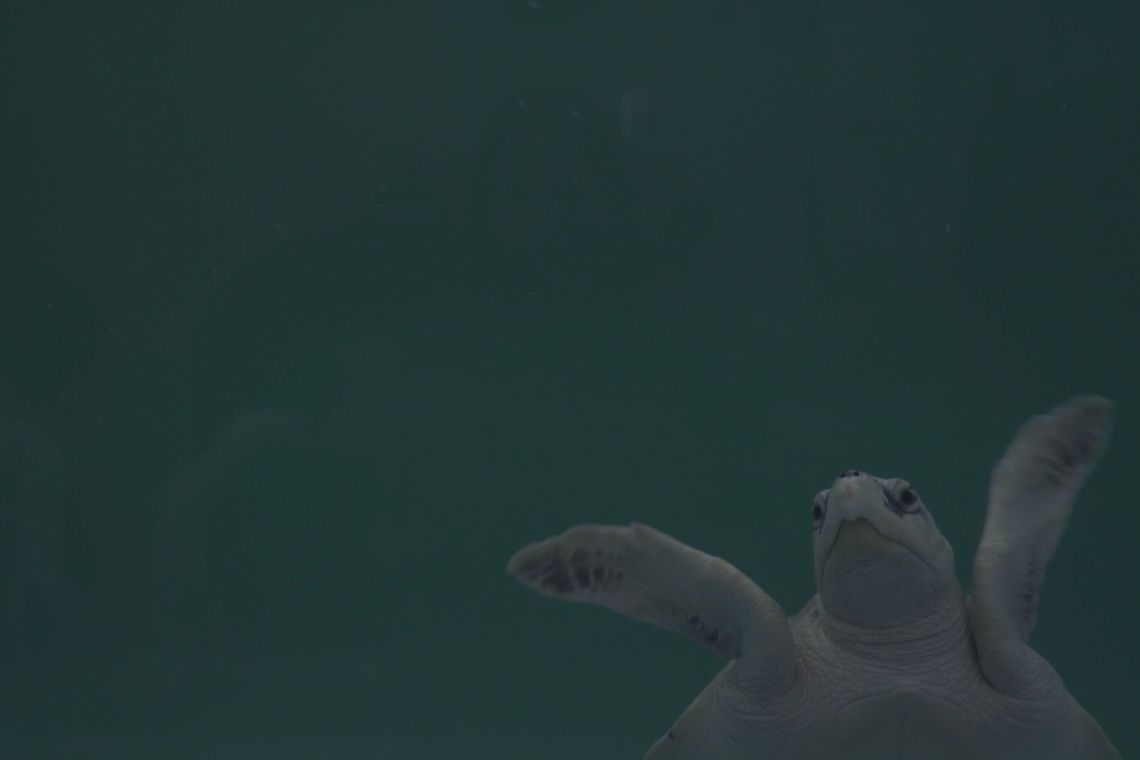
As peak cold-stunning season approaches this November and December, the New York Marine Rescue Centre urges New Yorkers to be aware of the animals that share their waters.
The Bridgeport Ferry was supposed to depart over 20 minutes ago. But the waves merely lapped against the side of the boat as it rocked side to side, never moving forward. The chilly November wind coming off the Long Island Sound made the wait less than ideal for the ferry's confused passengers. At last, a white, high-roof van pulled into the port. At first glance, it looked like a regular ambulance. Upon a second glance, the large lettering on the side of the van, which read “New York Marine Rescue Centre,” made it clear that it was not.
The people on the ferry were shocked to learn what had delayed them: a sea turtle.
“We knew she was in the water, and if we didn’t pull her out, she was probably going to die,” said Carol Sherlock, a volunteer at the New York Marine Rescue Centre.
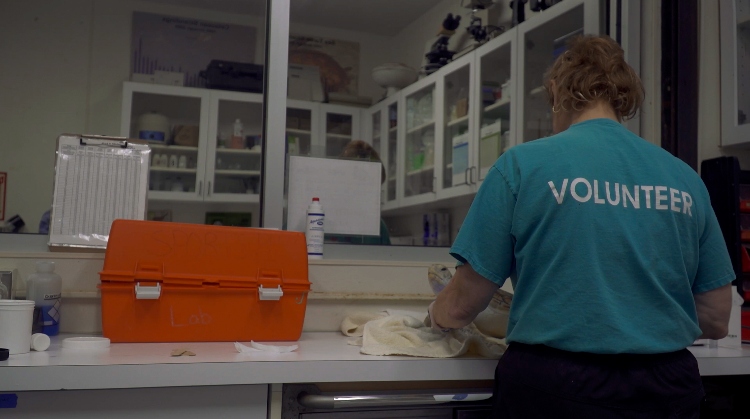
The New York Marine Rescue Centre (NYMRC) is the only marine mammal and sea turtle rehabilitation centre in New York State. The NYMRC takes in injured sea turtles, seals, and dolphins to its hospital, where a team of marine biologists and trained volunteers nurse the animals back to health. Then, the animals can return to their home: the ocean.
This particular sea turtle, whom the NYMRC named Arugula, has been a headache for the rescue team all season. She is what’s known as a “restrand.”
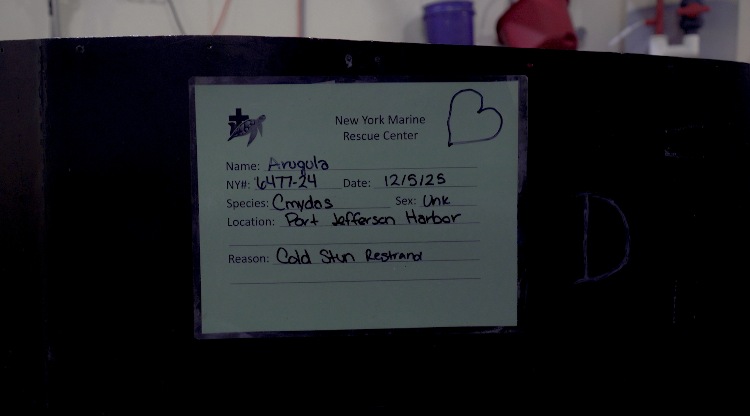
The team first met Arugula in the fall of 2024 when they took her in after finding her stranded on a beach. When they released her back into the ocean, they attached a non-invasive tracking device to her shell to study her migration patterns. This year, when she was stranded again, that tracking device saved her life.
“We knew she was going to be in trouble because it was November already, and she should have gone south to warmer waters,” said Sherlock. “She was almost floating by the time we got there. I’m surprised she was still alive.”
The rescue team successfully retrieved Arugula from the bay and brought her back to the NYMRC to start the long process of rehabilitation.
The NYMRC has reported an increase in injured sea turtles and seals passing through its hospital over the last decade. Marine animals in New York City are at risk from climate change and other human activities, but many New Yorkers are unaware that sea turtles occupy their shared waters in the first place.
“I had no idea we had sea turtles,” said 21-year-old Ethan Vitale, who grew up less than a mile from the beaches of the Long Island Sound. “I knew we had dolphins but not turtles. I don’t hear anyone talking about them. At least not in my town.”
NYMRC Executive Director and marine biologist Maxine Montello said Vitale’s surprise is not unfounded.
“A lot of people are unaware that marine mammals and sea turtles utilise their shared waters,” said Montello, because until recently, sea turtles around New York stayed further from the shores, out of sight of beachgoers.
But now, climate change is disrupting sea turtle migration patterns.
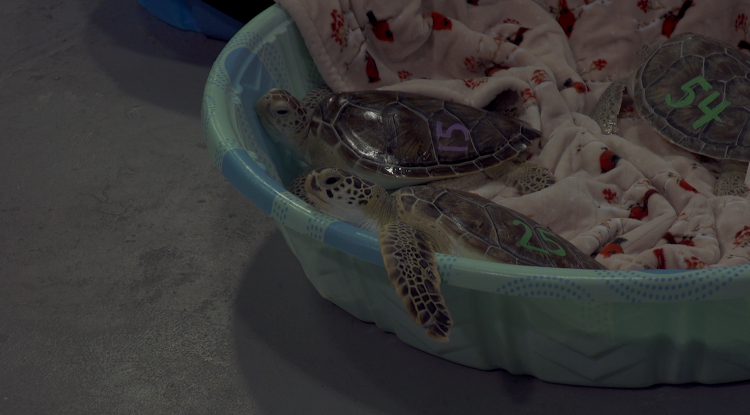
Because sea turtles are cold-blooded, they depend on their water temperature to regulate their body temperature. As ocean temperatures warm, the environmental cues sea turtles used to time their southward migration for the winter are disappearing, so they get trapped in cold water. They become lethargic and disoriented, or “cold-stunned”—a phenomenon similar to hypothermia. When they get cold-stunned, their only option is to wait for high winds to push them to the shoreline and, if they are lucky, get rescued by the NYMRC.
As President Donald Trump continues to roll back protections for marine wildlife and fossil fuel regulations, New York’s sea turtles are increasingly at risk.
Over the last decade, the number of cold-stunned turtles passing through the centre has increased from 30 in 2017 to 90 in more recent years. Last year, the NYMRC rescued 166 cold-stunned turtles.
In addition to climate change, other human-wildlife interactions like entanglement from fishing lines, getting too close to a stranded animal, and boat strikes put New York’s marine life at risk.
“Human interaction is a huge issue for our marine animals, specifically here in New York State,” she said.
Thin fishing lines can cut into marine animal blubber or wrap around their neck. Sea turtles suffer from both blunt- and sharp-force trauma from boat propellers.
“These animals are curious young animals, and they're investigating these kinds of balls of debris, and then they get it trapped around their necks and can cause them to not be able to swim anymore, or actually, prevent them from eating,” she continued.
As the peak cold-stunning season begins this October, the NYMRC is trying to spread awareness to New York residents about the animals they share their waters with. Montello said residents should look out for signs urging them to call the NYMRC hotline if they see any marine animals.
“If they, unfortunately, catch a sea turtle on their fishing pole or they hit a dolphin with their boat, you know, we want them to report that,” she added. “And I think a lot of people fear the repercussions that may come of it. But if they can save that animal’s life, get that animal the help that it needs immediately, they're already gonna win kudo points from us.”
Montello also said that even if someone sees a healthy animal, the NYMRC loves to receive those reports, too, so they know animals are in the area.
“I think advocacy is really important, and I think that starts at the local level. If people in the community care, then a real difference can be made,” said Vitale. “I would definitely like to learn more about how to advocate for them.”
Besides calling their hotline, Montello said New Yorkers can protect marine animals by keeping the beaches clean.
“When it comes to sharing our backyards, you know, standard cleaning up after yourself at the beaches, not leaving fishing line in the water, cleaning up marine debris as well as fisheries,” she said. “Anything that we can do to keep our waters clean is beneficial for these animals.”
The NYMRC released Arugula back into the Atlantic Ocean in August, so she could start fresh in warm waters. They are hoping she doesn’t get stuck in cold New York waters for the third year in a row.
“She just loves New York a little too much,” said Sherlock.

