

Every item in your cart has a story that extends far beyond the store shelf. Whether it is an apple grown hundreds of miles away or coffee imported from another continent, food passes through a network of farms, processors, warehouses, and transportation systems before reaching your table.
Learning how these factors connect can help you make choices that support both personal well-being and environmental sustainability.
Carbon Emissions Throughout the Food Supply Chain
Food production relies on a series of interconnected activities, from growing crops and raising livestock to processing, refrigeration, and transportation. Each stage requires energy, contributing to the overall carbon footprint of the food system.
Agriculture and food production generate a substantial share of global greenhouse gas emissions, with meat, dairy and other animal-based products accounting for most of that impact. Most agricultural emissions come from methane produced by livestock and nitrous oxide released through fertiliser use.
In addition, global food transport creates nearly 20% of food-related carbon dioxide emissions. Fresh fruits and vegetables account for 36% of food miles’ carbon emissions, as they often require rapid delivery and temperature-controlled storage and transportation.
Refrigerated trucks, also known as “reefer” trucks, provide the consistent temperatures needed to transport perishable foods across long distances, reducing the risk of spoilage. However, refrigeration units also require a constant power supply, which increases fuel consumption and results in higher carbon emissions compared to non-refrigerated transport.
The U.S. Environmental Protection Agency says transportation is the largest source of greenhouse gas emissions in the country, underscoring the importance of efficient logistics throughout the supply chain. Beyond emissions, the supply chain journey also determines how much of that food goes to waste.
Food Waste and Its Impact Across the Supply Chain
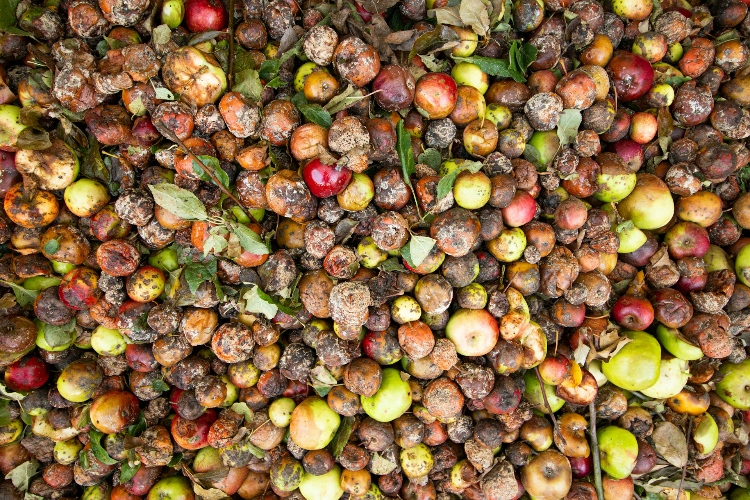
Food is wasted at nearly every stage of its journey, from crops left unharvested in the field to produce discarded for failing to meet cosmetic standards. Losses continue during processing, storage, and transportation, often as a result of spoilage, damage or delays that push products past their useful shelf life.
Retail and household waste add further strain, as edible food is thrown away due to overstocking, confusing date labels, or simple oversight. Every stage of loss carries a hidden cost, since the water, energy and labour used to grow and move that food are wasted along with it.
Reducing waste at any single stage can ease pressure on the subsequent stages, making the entire supply chain more efficient and less resource-intensive. Water use is closely tied to these same inefficiencies, since every wasted item also represents water loss.
The Hidden Water Footprint of Your Food
Water supports every stage of agricultural production. Crops depend on irrigation, and livestock production requires water for animal care, feed cultivation, and facility operations. As food demand grows, efficient water management becomes increasingly important.
The amount of water needed varies widely among foods and growing regions. Irrigated cropland and pastureland covered 54.9 million acres across the United States in 2022. Producers who invest in conservation practices and efficient irrigation systems can help preserve water resources while maintaining productivity.
When you, as a consumer, understand the water footprint of the food you buy, you can gain a broader perspective on sustainability beyond what appears on a label.
How Food Production Contributes to Deforestation
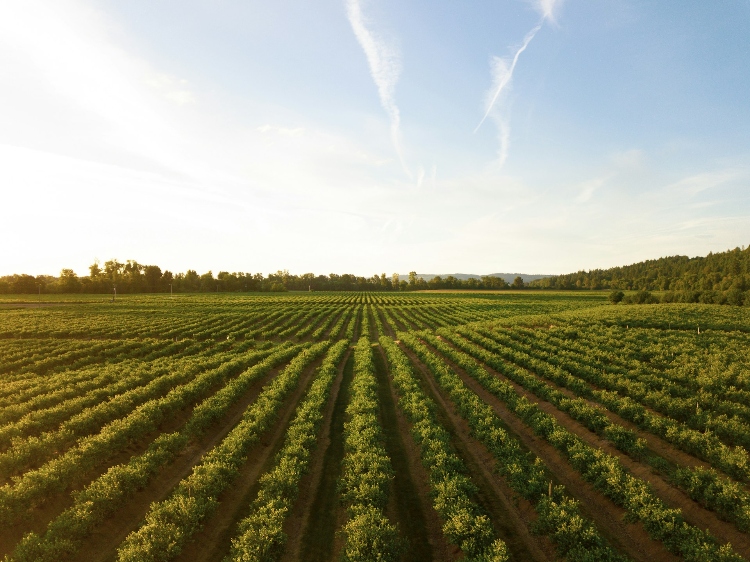
Agriculture shapes landscapes around the world. As farms expand to meet growing demand, new production areas are sometimes created by converting forested land into cropland or pasture.
Forests provide valuable benefits, including carbon storage, water regulation, and habitat for countless species. Livestock farming accounts for 40% of global deforestation, underscoring the importance of sustainable land management practices.
These practices balance food production with environmental stewardship and meet human needs while preserving natural resources for future generations. The people who work the land are just as central to a sustainable food system as the land itself.
Ethical Sourcing and Labour Practices in Food Production
Behind every harvest is a workforce that plants, picks, processes, and packs the food you buy, often for modest pay and under physically demanding conditions. Fair wages, safe working environments, and reasonable hours are central to ethical sourcing, yet labour standards vary considerably between regions and supply chains.
Certification schemes and third-party audits help verify that farms and processors meet baseline labour standards, giving shoppers a way to identify producers who treat workers fairly. Supporting brands that are transparent about their labour practices encourages wider adoption of ethical standards across the industry.
Choosing ethically sourced products also aligns with broader sustainability goals, since producers who invest in their workforce often invest in responsible land and water management too. Just as fair labour practices depend on the people involved, biodiversity depends on the ecosystems that sustain food production in the first place.
The Connection Between the Food You Eat and Biodiversity

Healthy food systems depend on healthy ecosystems. Biodiversity includes the variety of plants, animals and microorganisms that contribute to soil fertility, pollination, and natural ecosystem functions.
Pollinators such as bees, butterflies, and birds play a vital role in agriculture, supporting the reproduction of three-quarters of flowering plants and around 35% of global food crops. Diverse ecosystems also help maintain resilient agricultural landscapes that can adapt to changing conditions.
Protecting biodiversity strengthens food security and supports the natural systems on which agriculture depends. Supporting producers who prioritise habitat conservation can help sustain these benefits across generations.
What a Long Journey Can Mean for Your Health
The distance food travels can also influence what ends up on your plate. Produce picked before peak ripeness to survive long transit times may arrive with lower concentrations of vitamins and antioxidants than food harvested closer to full maturity, since nutrient levels in fresh produce can decline significantly within days of harvest.
To extend shelf life across long supply chains, some foods are treated with preservatives, wax coatings, or controlled-atmosphere storage. Consumers who prefer to minimise exposure to additives can check ingredient labels carefully and wash produce thoroughly before eating, regardless of its origin.
Longer transit also creates more opportunities for cold-chain gaps, moments when refrigeration is interrupted during loading, unloading, or storage. These issues can affect food safety for perishable items. Checking handling and storage dates and inspecting packaging for signs of damage helps reduce that risk. Much of that shelf-life protection comes from packaging itself, which carries its own environmental footprint.
The Environmental Cost of Food Packaging
Packaging keeps food safe and fresh throughout its journey, but it also generates significant waste. Plastic wrapping, trays, and multi-layer pouches are often difficult to recycle, particularly when they combine materials that cannot easily be separated.
Producers are increasingly exploring alternatives such as recyclable cardboard, compostable films, and reduced-plastic designs to lessen this impact. However, these options can raise costs or reduce shelf life if not carefully managed. Shoppers can support progress in this area by choosing products with minimal or recyclable packaging and by recycling correctly whenever possible.
Balancing food safety with sustainable packaging remains an ongoing challenge for producers across the supply chain. Emerging technology is helping producers manage that balance and many other supply chain challenges more effectively.
The Role of Technology in Supply Chain Transparency
Digital tools are making it easier to trace food from farm to shelf. Sensors and tracking systems can monitor temperature, humidity, and location throughout transportation, helping identify cold-chain gaps before they affect food safety.
Blockchain and other data-sharing platforms allow retailers and consumers to verify where a product came from and how it was handled along the way, adding a layer of accountability that was previously difficult to achieve. This transparency supports faster responses to recalls and helps producers demonstrate compliance with ethical and environmental standards.
As these tools become more widespread, shoppers may gain increasing access to detailed information about a product's full journey beyond what fits on a label.
Make Informed Choices That Support a Healthier Food System
Every purchase is an opportunity to learn more about the resources, people, and processes behind the foods you enjoy. Choosing seasonal products when available, supporting responsible producers and reducing household food waste can all contribute to a more sustainable food system. The next time you shop, consider the broader story behind what you buy.

