
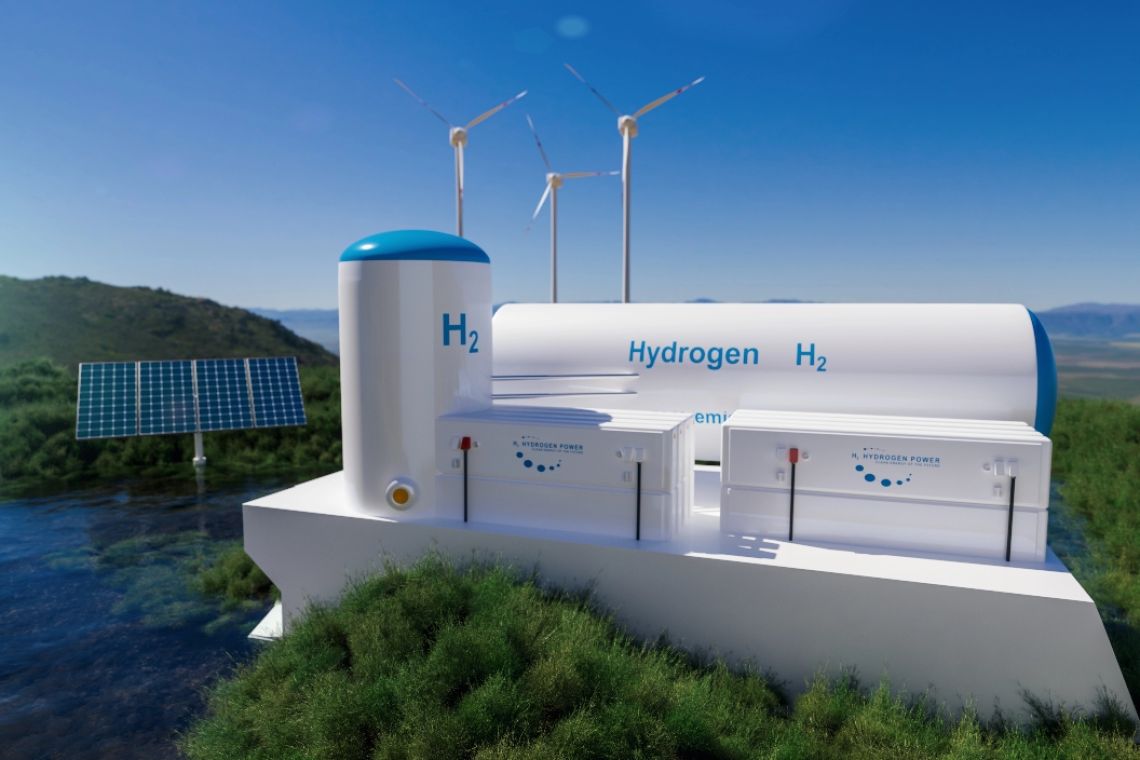
Picture a research station tucked deep in a forest, hours from the nearest power line. For decades, keeping the lights on has meant diesel generators — noisy, smoky, and hard to keep fuelled. A quieter option is now gaining ground. Hydrogen power is emerging as a genuine ally for conservation work, offering clean, reliable energy precisely where wildlife and researchers need it most.

Understanding How Hydrogen Power Works
Hydrogen power requires feeding hydrogen gas into a fuel cell. Inside the cell, hydrogen reacts with oxygen from the air to produce electricity. There are no combustion, smoke, or exhaust fumes. The only byproducts are electricity, heat, and water vapour.
Hydrogen power is fundamentally different from the fossil fuels that have powered remote operations for generations. Burning fuel isn't required. Instead, you get a clean electrochemical process that handles the job. That distinction carries real weight for anyone operating in a fragile natural setting.
Understanding how the technology works helps explain why it fits so well with conservation goals.
Benefits of Hydrogen Power
Hydrogen fuel cells bring several advantages that speak directly to conservation priorities:
● High efficiency: Fuel cells can operate at efficiencies exceeding 60%, converting far more fuel into usable electricity than a typical combustion engine.
● Minimal emissions: Because hydrogen fuel cells emit water only, there are no air pollutants to make smog or contribute to health problems at the point of use.
● Quiet operation: With few moving parts, fuel cells run far more quietly than the generators they replace.
There's also a strong case for cutting emissions, particularly for organisations weighing how to power their operations. Companies that generate hydrogen on-site, rather than relying on lead-acid battery systems, can expect an average 33% reduction in their greenhouse gas footprint. For a conservation organisation trying to shrink its own environmental footprint, that number is hard to ignore.
Limitations of Hydrogen Power
None of the benefits come without downsides:
● Engineering capabilities: Hydrogen storage remains a genuine engineering challenge, since the gas occupies a large volume relative to its energy content.
● Developing infrastructure: The infrastructure needed to produce and transport hydrogen is still developing.
● High prices: Costs remain higher today than for many established alternatives.
For many conservation organisations operating remote sites, the benefits may still outweigh the hurdles, particularly where diesel resupply already carries a heavy noise and logistical cost.
Powering Remote Research Stations and Field Camps
Hydrogen's strengths are most relevant at remote research stations and field camps. These sites often sit far from any grid connection, relying on whatever power source can be hauled in, refuelled and maintained under difficult conditions. Diesel has long filled that role, but it brings noise, fumes and a resupply burden that grows harder the more remote the site becomes.
Hydrogen changes that equation. Fuel cells can be paired with solar or wind generation to store surplus energy as hydrogen, then convert it back into electricity when needed, even during long stretches without sun or wind. Researchers studying this kind of system have pointed to isolated sites such as islands, mountain outposts and research stations as strong candidates. These locations combine high renewable potential with unreliable access to conventional fuel.
For a field camp studying migratory birds or a research station monitoring glacial melt, that reliability matters enormously. Sensors, cameras, and communication systems all need consistent power to function. A hydrogen setup can deliver that without the constant fuel deliveries diesel demands.
The same logic extends beyond fixed sites. Hydrogen-powered patrol vehicles and boats could offer similar advantages for ranger operations, cutting engine noise and easing fuel logistics on long routes through remote terrain. Off-grid ranger stations and field lodges face many of the same power challenges as research camps and stand to benefit in much the same way.
Quieter Power Protects Wildlife Behaviour
Reduced emissions tell only part of the story. For wildlife enthusiasts, one of hydrogen's most compelling advantages is something you can, or can’t, hear — silence.
The scale of the noise problem in protected areas is easy to underestimate. Notably, 63% of protected areas in the United States now experience sound exposure double the natural ambient level. Roads, infrastructure, and the machinery brought into these areas drive this shift. More than background noise that people can tune out, it changes how animals behave, breed, and survive.
That said, reduced emissions are only part of the story. One of hydrogen’s biggest advantages is a reduction in noise pollution, which is critical in helping wildlife in sensitive ecosystems.
The Ripple Effect on Wildlife Behaviour
The specific numbers in the above report show just how far this ripple extends:
● The review of studies examining noise and wildlife communities found 79% reported negative effects, including reduced abundance, lower nesting success, and poorer offspring survival.
● In one field experiment, broadcasting traffic-level noise over a test area caused bird abundance to drop by 25% during the exposure period, while nearly a third of the local bird community avoided the area altogether.
● The effects ripple further still, disrupting predator-prey relationships and pushing species to abandon habitats that once quietly supported them.
A generator running at a field camp for months at a time actively reshapes the behaviour of everything living nearby. This is where hydrogen's quiet operation becomes more than a nice-to-have.
Swapping a diesel generator for a fuel cell at a research site both cuts emissions and removes a source of chronic disturbance from a habitat that conservationists are actively trying to protect.

The Future of Hydrogen Power in Conservation Work
For remote research stations, field camps and other conservation work, hydrogen solutions deliver power in places the grid can't reach, without coming at the expense of the wildlife these organisations work so hard to protect.
As the technology matures and costs continue to fall, hydrogen is well placed to become a standard tool for conservation-minded organisations rather than an experimental one. For anyone who has ever winced at the drone of a generator drowning out birdsong in an otherwise silent forest, that's a future worth working toward.

